
Dislocated Kneecap
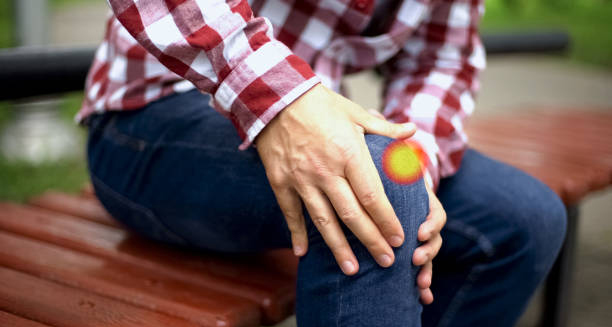
A dislocated kneecap occurs when the patella. Which normally sits in a groove at the front of the knee joint, slips out of place, usually to the side. This injury often happens suddenly during sports or physical activity, particularly when the knee is twisted or experiences a direct blow. A dislocated kneecap can be both painful and disabling. Making walking difficult and sometimes causing long-term instability if not treated correctly.
The kneecap plays an essential role in helping the thigh muscles straighten the leg. When the patella moves out of its groove, it can cause intense pain, swelling, and a visible deformity in the front of the knee. People may also feel the kneecap “pop” out and then back into place or find they cannot bend or straighten the knee normally. In some cases, the dislocation becomes a recurring problem, especially in individuals with loose ligaments or previous knee injuries.
Although a dislocated kneecap can affect anyone. It is more common in teenagers and young adults, especially those who are active in contact sports or activities requiring rapid changes in direction. Women are also more likely to experience this injury due to differences in anatomy and muscle alignment. People with hypermobility syndromes or shallow patellar grooves are also at greater risk.
In South Africa, where rugby, netball, and athletics are popular among youth, knee injuries—including patellar dislocations—are commonly seen in emergency departments. Immediate attention from medical professionals helps reduce complications and ensures proper management of the injury.
Dislocated Kneecap
Globally, the increasing popularity of recreational sports means that dislocated kneecap cases are becoming more frequent. Fortunately, most individuals recover well with prompt diagnosis, appropriate treatment, and rehabilitation exercises to strengthen the muscles around the knee and prevent recurrence.
Understanding what causes this injury, how to identify it, and what treatment options are available can make a big difference in long-term knee health.
[Next: Causes of Dislocated Kneecap →]