
Eardrum Burst
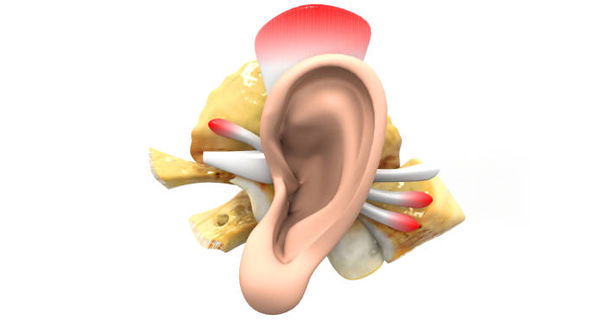
An eardrum burst, also known as a perforated eardrum or tympanic membrane rupture, is a hole or tear in the thin tissue separating the outer ear from the middle ear. An eardrum burst can cause pain, hearing loss, and fluid discharge from the ear. While many cases heal on their own, some may require medical treatment or even surgery.
The eardrum plays a vital role in hearing and protecting the middle ear from infections and foreign objects. When the membrane is torn, it can disrupt sound transmission and make the middle ear more vulnerable to bacteria or water entering.
Common causes of a burst include ear infections, sudden changes in pressure (barotrauma), direct injury (like inserting objects into the ear), or loud blasts and explosions. Children and adults alike can be affected, though kids are more prone due to frequent middle ear infections.
Eardrum Burst
In South Africa, many eardrum injuries go unnoticed or untreated, particularly in rural areas. Lack of awareness, delayed treatment of ear infections, and unsafe ear-cleaning practices contribute significantly to eardrum damage. Early recognition and proper care are essential to prevent long-term hearing loss.
Symptoms can be alarming but are often manageable. While pain may be intense at the moment of rupture, it often subsides quickly after the pressure is released. Fluid or blood may drain from the ear, and hearing in the affected ear may become muffled or distorted.
Understanding what an eardrum burst is and how it happens allows people to act quickly, avoid further injury, and seek appropriate treatment to promote healing and restore function.
[Next: Causes of Eardrum Burst →]