
Ebola Virus Disease
Ebola virus disease is a rare but deadly illness caused by infection with the Ebola virus. First identified in 1976 in what is now the Democratic Republic of Congo. Ebola virus disease has caused several outbreaks across Central and West Africa, with high death rates and devastating impacts on communities and healthcare systems.
The virus spreads through direct contact with bodily fluids. Such as blood, vomit, faeces, urine, or saliva from an infected person. It can also be transmitted via contaminated surfaces or objects, like needles. Unlike airborne viruses, Ebola does not spread through the air, which means close contact is usually required for transmission.
Ebola often starts with flu-like symptoms, making early detection difficult. As the disease progresses, it can lead to severe internal bleeding, organ failure, and shock. In past outbreaks, the mortality rate has ranged between 25% and 90%, depending on the virus strain, the speed of diagnosis, and the level of medical care available.
While the disease has mostly affected countries like Guinea, Liberia, Sierra Leone and the Democratic Republic of Congo. This remains a global concern due to the potential for international spread through travel or trade. South Africa, although not directly impacted by past outbreaks, has protocols in place for border screening, isolation, and rapid response if a case is detected.
Ebola Virus Disease
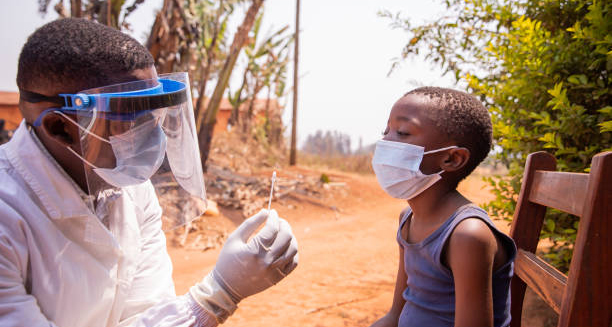
Healthcare workers are especially vulnerable during outbreaks, as they come into close contact with infected individuals. The 2014–2016 West Africa epidemic highlighted the need for better infection control, community education, and investment in local health systems.
Recent advancements have led to the development of effective Ebola vaccines, which are now used in high-risk areas during outbreaks. Continued research is also underway to improve treatment and strengthen preparedness.
Understanding Ebola virus disease is essential for early recognition, containment, and support. Education, vigilance, and rapid response remain the most effective tools in preventing widespread transmission.
[Next: Causes of Ebola Virus Disease →]