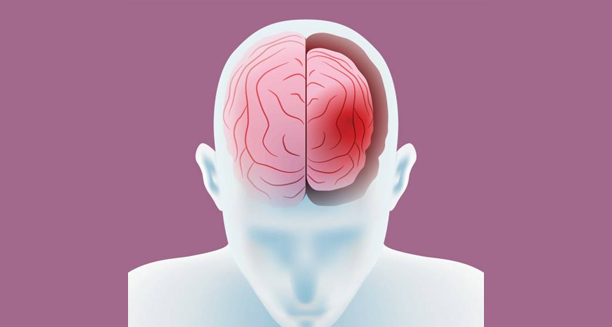

Frontotemporal Dementia
The condition, frontotemporal dementia (FTD) is a group of brain disorders that primarily affect the frontal and temporal lobes of the brain—regions responsible for personality, behaviour, and language. This form of dementia often causes progressive changes in behaviour and emotional control, making it distinct from other types of dementia, such as Alzheimer’s disease, which typically affects memory first.
FTD is one of the most common forms of dementia in people under the age of 65, though it can also occur later in life. It tends to begin gradually and worsens over time. Depending on the specific type, symptoms may centre on behaviour, language ability, or motor function.
Frontotemporal Dementia
As the condition progresses, individuals may struggle with decision-making, social interaction, empathy, and language expression. This can be extremely challenging for families and caregivers, as the person affected may not be aware of the changes in their behaviour or abilities.
Raising awareness of this form of dementia is essential to encourage early diagnosis, appropriate care, and support for those affected and their loved ones.