
Gout
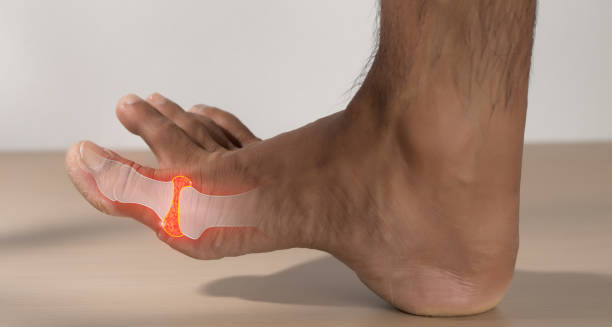
Gout is a form of inflammatory arthritis characterised by sudden, severe attacks of pain, swelling, and redness in one or more joints. Most commonly affecting the big toe, gout occurs when high levels of uric acid in the blood form sharp crystals in the joints. These crystals trigger inflammation and intense discomfort, often waking people in the middle of the night with a burning sensation in the affected joint.
Although historically associated with overindulgence in rich foods and alcohol—often referred to as “the disease of kings”—gout affects millions of people worldwide, regardless of lifestyle. It is a chronic condition that, if left untreated, can lead to joint damage, kidney stones, and a significant reduction in quality of life. Fortunately, with proper treatment and lifestyle adjustments, gout can be effectively managed or even prevented.
What Is Uric Acid?
Uric acid is a natural waste product formed when the body breaks down purines—substances found in human cells and in many foods, such as red meat, seafood, and alcohol. Normally, uric acid dissolves in the blood, passes through the kidneys, and exits the body via urine.
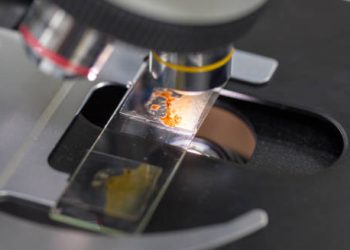
However, when the body produces too much uric acid or fails to excrete enough of it, the substance builds up in the bloodstream (hyperuricaemia). When uric acid concentrations become too high, it can crystallise, depositing sharp, needle-like crystals in the joints and surrounding tissue. This leads to the intense pain and inflammation that characterise a gout attack.
Symptoms and Presentation
The hallmark of gout is a sudden and excruciating flare-up of joint pain, often at night. Classic symptoms include:
Intense joint pain, often in the big toe (podagra), but also in ankles, knees, elbows, wrists, or fingers
Swelling and redness in the affected joint
Warmth and tenderness over the joint, with extreme sensitivity to touch
Limited range of motion as inflammation worsens
Lingering discomfort after the acute attack subsides
An initial attack typically lasts 3 to 10 days and may not recur for months or even years. Without treatment, however, attacks become more frequent and severe, eventually affecting multiple joints and causing chronic damage.
Who Gets Gout?
Gout can affect anyone, but certain groups are more susceptible:
Men over 40 are at higher risk than women, though postmenopausal women also see increased incidence
Individuals with a family history of gout
People with kidney disease, high blood pressure, or diabetes
Those who are overweight or obese
Individuals on certain medications, such as diuretics or immunosuppressants
People who consume excessive alcohol, especially beer or spirits
Although diet and lifestyle contribute to risk, genetic and medical factors often play a more significant role.
Stages of Gout
Gout develops in distinct stages:
Asymptomatic hyperuricaemia: Elevated uric acid levels without symptoms
Acute gout attack: Sudden joint pain and inflammation
Intercritical gout: The symptom-free period between attacks
Chronic tophaceous gout: Frequent attacks and joint damage, often with visible deposits (tophi) under the skin
Progression to chronic gout can take years, but it is preventable with early diagnosis and management.
Gout and Kidney Health
Because uric acid is primarily filtered by the kidneys, any impairment in kidney function can exacerbate gout. Conversely, excess uric acid can form crystals in the kidneys, leading to kidney stones or even chronic kidney disease over time. This bidirectional relationship highlights the importance of monitoring kidney health in people with gout.
Misconceptions About Gout
Despite its prevalence, gout is often misunderstood. Common myths include:
“Only old men get gout” – It can affect younger people and women, particularly after menopause
“Gout is self-inflicted” – While diet plays a role, genetics and underlying health conditions are major factors
“Once symptoms are gone, it’s cured” – Without long-term uric acid control, attacks will likely return
Dispelling these myths can encourage earlier treatment and reduce stigma.
Conclusion | Gout
Gout is a painful and potentially disabling form of arthritis that arises from elevated uric acid levels in the body. While it often begins with a sudden attack in a single joint, gout is a chronic condition that requires long-term management to prevent joint damage and kidney complications. Through a combination of medication, lifestyle changes, and medical monitoring, most individuals can achieve excellent control and avoid future flare-ups.