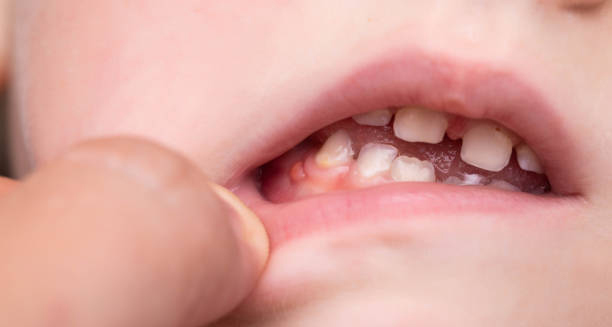

Gum Disease
Gum Disease is a common but preventable condition that affects the soft tissues surrounding the teeth. Often caused by poor oral hygiene, Gum Disease begins as inflammation of the gums (gingivitis) and can progress to more serious forms, such as periodontitis, if left untreated. Early detection and consistent care are essential for preserving both oral and overall health.
While many people experience some level of gum irritation in their lifetime, advanced Gum Disease can lead to tooth loss, jawbone damage, and has even been linked to systemic conditions like heart disease and diabetes. Understanding its symptoms, causes, and treatment options is key to maintaining healthy gums and a strong smile.
What Is Gum Disease?
Gum Disease refers to inflammation and infection of the gingival tissue (gums) that support and surround the teeth. It progresses in stages:
1. Gingivitis
The earliest and mildest form
Caused by plaque build-up at the gumline
Gums appear red, swollen, and may bleed during brushing or flossing
Reversible with proper oral hygiene
2. Periodontitis
Occurs when gingivitis is left untreated
Plaque hardens into tartar (calculus), causing deeper infection
Gums pull away from the teeth, forming periodontal pockets
Involves loss of supporting bone and tissues
Can result in loose teeth or tooth loss
Periodontitis itself can be classified further into mild, moderate, and severe stages depending on the depth of infection and bone involvement.
Who Is at Risk?
Anyone can develop this disease, but certain risk factors increase susceptibility:
Poor oral hygiene
Smoking or tobacco use
Diabetes, especially if uncontrolled
Hormonal changes, including pregnancy or menopause
Genetic predisposition
Stress, which weakens immune function
Poor nutrition, particularly deficiencies in vitamin C
Medications that cause dry mouth or affect gum tissue (e.g. anti-epileptics, calcium channel blockers)
Even people who brush daily can develop this disease if they neglect proper flossing or professional dental cleanings.
Signs and Symptoms
The most common signs of Gum Disease include:
Red, swollen gums
Bleeding when brushing or flossing
Bad breath (halitosis)
Receding gums
Sensitive or loose teeth
Pain when chewing
Changes in bite or fit of dentures
In its early stages, Gum Disease may be painless, which makes regular dental check-ups essential for early detection.
How Gum Disease Affects Overall Health
Recent research has linked this disease with various systemic health conditions:
Heart disease: Chronic inflammation may contribute to arterial plaque and increase heart attack risk
Diabetes: Gum infections can worsen blood sugar control, while diabetes increases the risk of periodontitis
Pregnancy complications: Gum Disease has been associated with preterm birth and low birth weight
Respiratory illness: Oral bacteria may be inhaled, increasing the risk of pneumonia or bronchitis
Rheumatoid arthritis and cognitive decline have also been studied in relation to chronic gum inflammation
These associations highlight the importance of treating this disease not just as a dental issue, but a whole-body health concern.
Prevention
Prevention is the most effective defence against Gum Disease. Daily habits should include:
Brushing teeth twice a day using fluoride toothpaste
Flossing or using interdental brushes once a day
Regular dental check-ups and professional cleanings every 6 months
Avoiding tobacco products
Managing chronic conditions like diabetes
Eating a balanced diet rich in vitamins and low in sugar
For individuals at higher risk, more frequent dental visits and additional home care may be recommended.
Conclusion | Gum Disease
Gum Disease is both widespread and preventable, beginning as mild gum inflammation and potentially leading to serious oral and systemic health problems. Through daily oral hygiene, professional care, and early detection, individuals can manage or entirely avoid the complications of Gum Disease. Understanding its stages and risk factors empowers people to take proactive steps toward lifelong dental health.