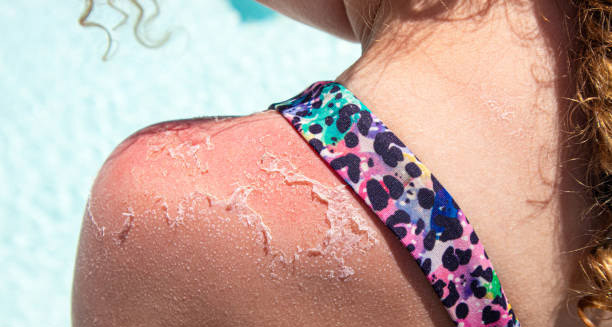
Heat Rash
Heat rash, also known as prickly heat or miliaria, is a common skin condition that occurs when sweat becomes trapped beneath the skin due to blocked sweat ducts. It typically develops in hot, humid weather or during periods of intense physical activity. The rash appears as small red bumps, blisters, or even pustules and is often accompanied by itching or a prickling sensation. Although usually harmless, heat rash can cause considerable discomfort and may lead to secondary infections if scratched or left untreated. Understanding what triggers heat rash and how to manage it effectively is essential for anyone living in or travelling to warm climates.
This condition most often arises when the body’s sweat glands are overactive and the ducts that release sweat become clogged. As sweat becomes trapped, it leaks into the surrounding skin tissue, causing inflammation and the distinctive rash. Heat rash can affect individuals of all ages, but it is especially common in infants, whose sweat ducts are still developing and more easily blocked. It also frequently affects athletes, manual labourers, and individuals who wear tight or non-breathable clothing in hot conditions.
There are several types of heat rash, each classified according to how deep the blockage occurs in the sweat ducts:
Miliaria crystallina is the mildest form, consisting of tiny clear or white fluid-filled blisters that break easily. It causes little to no inflammation and is typically not itchy.
- Miliaria rubra, the most common form, presents as red bumps or spots and is often intensely itchy or prickly.
- Miliaria pustulosa occurs when the bumps become inflamed and filled with pus, indicating secondary bacterial infection.
- Miliaria profunda is the most severe form, where sweat leaks into the deeper layers of the skin, causing firm, flesh-coloured bumps and a higher risk of heat intolerance.
Heat Rash
Heat rash typically affects areas where sweat tends to accumulate or where clothing causes friction. Common sites include the neck, upper chest, back, under the breasts, groin, and armpits. In infants, the face and nappy area are also frequently affected. Symptoms may worsen in environments with poor ventilation or in people who remain immobile for long periods, such as hospitalised patients.
While heat rash is generally not dangerous, it can cause significant irritation. In more severe or persistent cases, scratching may lead to skin breaks and secondary bacterial infections, which can result in cellulitis or impetigo. Therefore, early recognition and proper skin care are essential.
In summary, heat rash is a heat-induced skin condition caused by blocked sweat ducts. Though usually mild and self-limiting, it can be uncomfortable and distressing, particularly in infants and those living in hot, humid environments. Preventative strategies and good hygiene are key to avoiding recurrence and complications.