
Heavy Periods
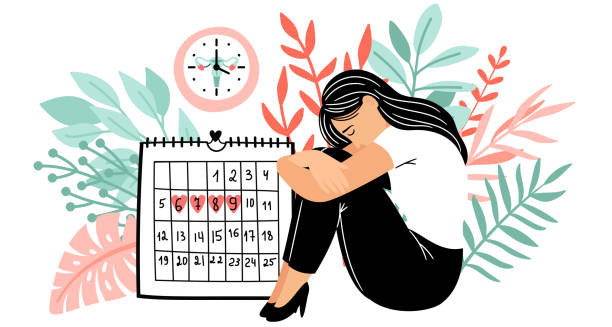
Heavy periods, medically known as menorrhagia, refer to menstrual bleeding that is abnormally heavy or lasts too long. Although menstrual flow differs for each person. Doctors usually call periods heavy when the bleeding is so much that it gets in the way of daily life, causes tiredness, or leads to low iron levels. Women with heavy periods might need to change pads or tampons every one to two hours, pass big blood clots, or bleed for more than seven days. While heavy periods are common, people should not just brush them off as an inconvenience—these symptoms can point to other health problems and seriously affect physical, emotional, and social wellbeing.
It is estimated that approximately one in five women will experience heavy menstrual bleeding at some point during their reproductive years. The condition can start at any age but is especially prevalent in adolescents during the first few years of menstruation and in women approaching menopause. In both cases, hormonal imbalances are often the root cause, but structural abnormalities, medical conditions, and lifestyle factors can also contribute.
Understanding what constitutes “normal” versus “heavy” bleeding is essential. On average, a person loses between 30 and 40 millilitres of blood during a menstrual period. Heavy periods are typically diagnosed when blood loss exceeds 80 millilitres per cycle. However, because it is difficult to measure blood loss precisely, diagnosis often relies on symptoms such as needing double protection (tampons and pads), waking at night to change sanitary products, or passing clots larger than 2.5 cm in diameter.
Heavy Periods
The impact of heavy periods goes beyond physical symptoms. Many individuals report emotional distress, social embarrassment, and disruptions to school or work life. Repeated blood loss can also lead to anaemia, resulting in chronic fatigue, dizziness, and reduced exercise tolerance. The condition may also strain intimate relationships and self-esteem, especially when unexpected bleeding leads to clothing stains or fear of leakage in public settings.
In some cases, heavy periods may occur without any identifiable cause—a condition known as dysfunctional uterine bleeding. In others, they are a symptom of a treatable condition such as fibroids, endometriosis, thyroid disorders, or bleeding disorders. Because the causes are varied, a proper medical evaluation is critical to determine the most appropriate course of action.
Fortunately, treatment options for heavy periods have advanced significantly, offering both hormonal and non-hormonal solutions tailored to individual needs. From medications to regulate the menstrual cycle, to minimally invasive procedures that reduce bleeding or remove uterine abnormalities, patients today have access to a wide range of supportive care. Lifestyle changes, such as dietary adjustments and stress management, can also make a meaningful difference.
In summary, heavy periods are a common but manageable health issue that warrants medical attention when they disrupt daily life, cause anaemia, or produce excessive discomfort. With accurate diagnosis and personalised treatment, most people can regain control of their menstrual health and improve their overall quality of life.