
Henoch-Schönlein Purpura
Henoch-Schönlein purpura (HSP), also known as IgA vasculitis, is an autoimmune condition that causes inflammation of the small blood vessels, primarily affecting the skin, joints, intestines, and kidneys. HSP happens most often in children aged 2 to 11, but teenagers and adults can get it too. The condition shows up as a purple rash, usually on the legs and buttocks. Along with the rash, people may have belly pain, swollen joints, and sometimes kidney problems.. Although Henoch-Schönlein purpura often resolves on its own, it can occasionally lead to serious complications, particularly involving the kidneys.
HSP is classified as a form of small-vessel vasculitis. Meaning that it involves inflammation and damage to the tiny blood vessels known as capillaries. The underlying cause is thought to involve the immune system producing an abnormal response to an infection. Most often a viral or bacterial upper respiratory tract infection. This response leads to deposits of a type of antibody called immunoglobulin A (IgA) in the walls of blood vessels, resulting in inflammation and leakage of blood into surrounding tissues.
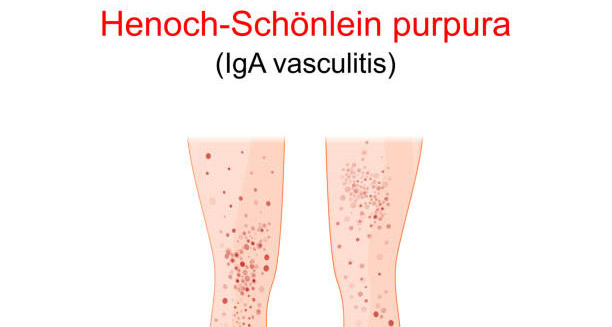
The classic sign of HSP is raised, reddish-purple spots called palpable purpura. These spots do not fade when you press on them. They usually show up on the lower legs and buttocks. However,, they can also appear on the arms, chest, or face. The rash may be accompanied by a range of symptoms that vary in severity from mild discomfort to more serious systemic issues. Many children also experience joint pain and swelling, especially in the knees and ankles. Which may limit movement but usually does not cause permanent damage.
Abdominal pain, cramping, nausea, and vomiting occur in about half of cases and can be severe. Some children develop gastrointestinal bleeding, which may result in the passage of blood in the stool. In rarer instances, the inflammation can cause intussusception. A condition where one part of the intestine slides into another, potentially requiring surgical intervention.
Henoch-Schönlein Purpura
Perhaps the most concerning aspect of Henoch-Schönlein purpura is its potential effect on the kidneys. Renal involvement may manifest as blood in the urine (haematuria). Protein in the urine (proteinuria), or more serious nephritic or nephrotic syndromes. Kidney symptoms can appear weeks after the rash and may not be accompanied by any pain or discomfortxaking regular urine monitoring essential for all diagnosed individuals. While most children recover without any kidney damage, a small percentage may go on to develop long-term renal problems that require specialist care.
The onset of HSP is often sudden and can follow a respiratory tract infection such as a cold, sore throat, or sinusitis. Environmental triggers, certain foods, insect bites, or vaccinations have also been suggested as possible contributors, although no definitive cause is identified in most cases. The condition is not contagious and does not spread between individuals.
Diagnosis is usually clinical—based on the typical rash and associated symptoms—but may be supported by blood tests, urine tests, and sometimes a skin or kidney biopsy. Early diagnosis and monitoring are crucial, especially to track potential kidney involvement and to rule out other forms of vasculitis or purpura that might require different management.
In most cases, Henoch-Schönlein purpura is a self-limiting illness. Symptoms typically resolve within four to six weeks, although relapses may occur. Usually, pain relief and supportive care work well. However, if the case is more serious—especially when the kidneys or stomach are involved—doctors may need to use corticosteroids or medicines that calm the immune system.
Henoch-Schönlein Purpura
In summary, Henoch-Schönlein purpura is a condition that causes inflammation in small blood vessels. It happens mostly in children and shows up as a purple rash, joint pain, and sometimes stomach or kidney problems. While it often resolves without long-term complications, close monitoring is necessary to detect and manage any serious outcomes.