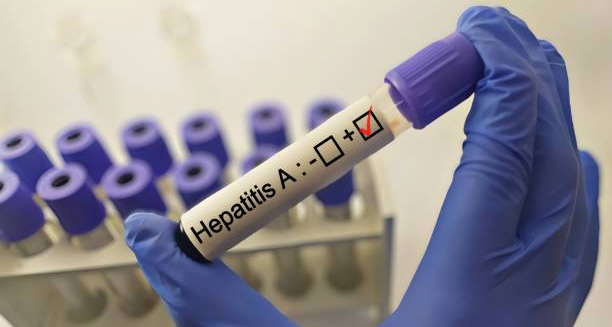

Hepatitis A is a highly contagious viral infection that causes inflammation of the liver, typically resulting in an acute illness that resolves on its own.
How Hepatitis A Spreads
Unlike other types of viral hepatitis, hepatitis A does not cause long-term liver disease or permanent damage. Instead, it usually clears up on its own. People mostly catch it through the faecal–oral route. This happens when they eat or drink food and water that has germs or through close contact with an infected person.
Most people get better within weeks. However, it can feel exhausting. Rarely, it leads to serious problems, especially in older adults or those with other liver issues. Some people might even get sudden liver failure.
The hepatitis A virus (HAV) is a simple RNA virus. It belongs to the Picornaviridae family. After someone swallows the virus, it moves through their gut and reaches the blood. From there, it goes to the liver. The body’s defense system fights the virus, which causes swelling in the liver. This leads to symptoms like yellow skin, feeling tired, and an upset stomach.
People who have hepatitis A shed lots of the virus in their faeces. This happens especially in the two weeks before they feel sick. As a result, hepatitis A spreads very easily before people even know they have it.
Where Hepatitis A Is More Common
Hepatitis A spreads more in places where sanitation is poor. It also spreads where there is little clean water and people live close together. Such places include many parts of Africa, Asia, the Middle East, Central and South America, and Eastern Europe.
In these areas, the virus often spreads through unsafe drinking water or food. Shellfish, especially if raw or not cooked properly, can carry it if taken from dirty waters. In richer countries, hepatitis A usually comes from travel to these regions. It can also cause outbreaks in daycare centres, food businesses, or places where people have no permanent homes.
Incubation and Symptoms of Hepatitis A
Once someone gets the virus, it takes between 15 to 50 days before they feel sick. On average, it takes about 28 days. During this time, the virus quietly multiplies in the liver. There are no signs during this phase. When the immune system reacts, symptoms appear and people feel sick.
Young children under six often have no symptoms. Even then, they can still spread hepatitis A. On the other hand, older kids and adults usually show clear signs of infection.
At first, symptoms look like the flu. People feel very tired, get a fever, feel sick, and lose their appetite. They may also have stomach pain and throw up. After a few days, signs linked to the liver appear. This includes yellow skin and eyes, dark pee, and pale stools.
These signs last two to six weeks. Some people feel weak for months. Still, most people recover fully and their bodies protect them from getting hepatitis A again.
Hepatitis A Treatment and Care
There is no special medicine to cure hepatitis A. People get better with rest, drinking lots of fluids, eating simple food, and avoiding alcohol. Doctors may suggest avoiding some medicines that can harm the liver more.
Only people who get very sick, like older adults or those with liver disease, may need hospital care.
Hepatitis A Prevention and Vaccination
Preventing hepatitis A is very important. The best way is by getting vaccinated. The vaccine gives strong and long-lasting protection. It is useful for travellers to places where hepatitis A is common, food workers, people with liver problems, and anyone who faces a bigger risk.
The hepatitis A vaccine comes in two doses. People take the second dose six to twelve months after the first one. It protects people for at least 20 years.
Simple Hygiene Tips for Hepatitis A
Besides vaccines, people should follow basic hygiene rules. This means washing hands often, cooking food well, and drinking bottled or boiled water when visiting risky areas.
During outbreaks, health workers may give immune globulin shots. These shots give short-term protection to those who have been around the virus and could get very sick.
Fighting Hepatitis A Outbreaks
Hepatitis A outbreaks still happen in both rich and poor countries. This mostly happens when sanitation fails or people do not know enough about the disease. Quick action by public health teams, teaching people, and giving vaccines help stop these outbreaks.
Summary of Hepatitis A
In short, hepatitis A is a liver infection that spreads easily. It comes from dirty food, water, or close contact with sick people, especially in places with poor hygiene.
People can avoid hepatitis A through vaccines, good hygiene, and stopping outbreaks early. Even though it can feel rough, most people recover fully and stay protected for life. This makes hepatitis A one of the easiest viral liver diseases to prevent