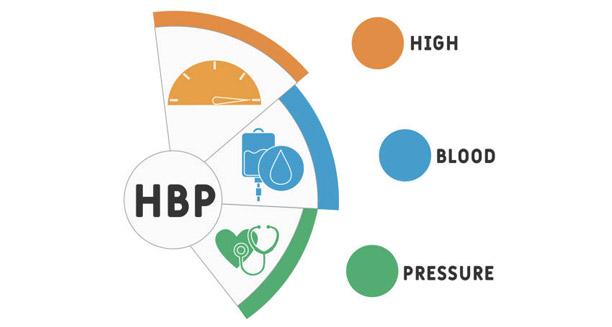

High blood pressure is one of the most common health problems worldwide. Despite its wide reach, it often goes unnoticed because it may not cause clear symptoms. Also known as hypertension, this condition happens when the force of blood pressing against the artery walls stays too high for too long. This constant pressure can damage blood vessels and vital organs, raising the risk of heart attacks, strokes, kidney failure, and other serious problems.
Although the condition is common, it is also highly preventable and manageable. With the right treatment and lifestyle changes, most people can control it effectively.
How Blood Pressure Works
Blood pressure is measured using two numbers. The systolic pressure (top number) shows the force when your heart beats. The diastolic pressure (bottom number) shows the force when your heart rests between beats.
A normal blood pressure reading is usually below 120/80 mmHg. If your reading is 140/90 mmHg or higher on a regular basis, it means you have high blood pressure. In older adults, sometimes only the top number is high. This is called isolated systolic hypertension, and it still needs attention.
Two Types of High Blood Pressure
There are two main types of high blood pressure:
- Primary (essential) hypertension is the most common form. It develops slowly over time and has no single known cause. However, it often links to family history, poor eating habits, inactivity, and ageing.
- Secondary hypertension is caused by a medical condition or a drug. Common causes include kidney problems, hormone disorders, or using medications like birth control pills or decongestants.
In both types, the pressure in the arteries rises above safe levels, increasing the risk of long-term damage.
The “Silent Killer”
One of the most dangerous things about this condition is that it often shows no symptoms. Many people discover they have it during a routine check-up—or worse, after a serious health scare. That’s why it’s often called a “silent killer.”
Even without symptoms, this condition can cause permanent harm to the heart and blood vessels. Regular blood pressure checks are essential, especially if you’re over 40 or have a family history of hypertension.
A Global Health Crisis
The impact of high blood pressure is global. The World Health Organization estimates that over one billion people are living with hypertension. This number continues to rise, driven by poor diets, obesity, lack of exercise, and fast-paced urban living.
In many low- and middle-income countries, the condition often goes undiagnosed and untreated. As a result, preventable deaths and serious complications are all too common.
Managing High Blood Pressure
The good news is that this condition can be managed. A healthy lifestyle, along with medication when needed, can lower blood pressure and reduce the risk of complications.
Key lifestyle steps include:
- Eating less salt
- Exercising regularly
- Losing extra weight
- Reducing stress
For some people, lifestyle changes alone are not enough. In these cases, doctors may prescribe antihypertensive medications. These drugs are usually very effective, especially when taken as directed.
Taking Action on a Personal and Global Level
To fight this growing health problem, public health programmes focus on education, prevention, and regular screening. Community events, heart health campaigns, and check-ups help people catch and treat high blood pressure early.
But individuals also play a role. Knowing your blood pressure numbers, understanding your risks, and making smart lifestyle choices can protect your health in the long run.
Final Thoughts
High blood pressure is a serious condition, but it doesn’t have to be a life sentence. With early detection, smart lifestyle changes, and proper care, people can live long and healthy lives. Managing this condition not only helps extend life—it improves the quality of daily living for millions around the world.