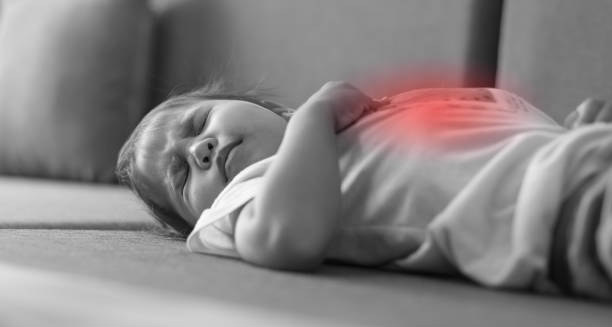

Hirschsprung’s disease is a rare bowel disorder present at birth. It happens when nerve cells that help the bowel move stool are missing from parts of the large intestine. These nerve cells, called ganglion cells, allow the bowel to relax and push waste through. Without them, the affected bowel stays tight and blocks stool. This leads to severe constipation and sometimes infection. Hirschsprung’s disease often shows soon after birth. Some mild cases appear later in infancy or early childhood.
What Happens in the Bowel
In a healthy bowel, food moves forward because muscles contract in a pattern. This process is controlled by nerve cells in the bowel wall. These cells form early in pregnancy and travel down the colon during growth. In Hirschsprung’s disease, this movement stops too soon. The lower part of the bowel does not get enough nerve cells. The longer the section without nerves, the worse the symptoms. In 80% of cases, only the rectum and sigmoid colon are involved. In severe cases, the whole large bowel or part of the small bowel is affected.
How Common Is It?
This condition affects about 1 in 5,000 births. It is four times more common in boys than girls. Children with Down syndrome or other genetic conditions have a higher risk. While Hirschsprung’s disease often happens by chance, some cases run in families. When longer bowel segments are involved, family history is more likely.
Signs and Early Warning
One clear sign in newborns is not passing meconium (the first stool) in the first 48 hours. Babies may also have a swollen belly, vomiting, or feeding problems. In severe cases, the blocked bowel can cause enterocolitis. This is a dangerous infection that can lead to dehydration, sepsis, or a hole in the bowel. Quick diagnosis and treatment are vital.
Symptoms in Older Children
If the condition is missed at birth, children often suffer from constant constipation. They may have a big belly, poor weight gain, and loss of appetite. Some pass watery stool around hard masses in the bowel. This is called overflow diarrhoea and can confuse doctors. Over time, these children may grow slowly and feel unwell.
How Doctors Confirm the Diagnosis
When doctors suspect Hirschsprung’s disease, quick referral to a specialist is important. Tests include a contrast enema X-ray to look for a “transition zone” where the bowel changes shape. Another test, anorectal manometry, checks muscle function. The only way to confirm the disease is with a rectal biopsy. This test shows if nerve cells are missing.
Treatment and Outlook
Surgery is the main treatment for Hirschsprung’s disease. The most common surgery is a pull-through operation. Doctors remove the part of the bowel without nerves and join the healthy part to the anus. Many hospitals use keyhole (minimally invasive) surgery for this. If the child is very sick or has infection, doctors may first create a colostomy to allow recovery. Later, the main surgery is done.
Most children do well after surgery, but some may have constipation, soiling, or infections for a while. They may need medicine, diet changes, or physiotherapy to help. Regular follow-up visits are important to check growth and bowel health.
Life After Surgery
Most children lead normal lives after treatment. But some may have long-term problems like constipation or repeated infections. The condition can also cause stress for older children. Support from doctors, therapists, and parent groups helps families cope.
Early diagnosis and surgery give the best results. Parents should watch for signs such as delayed meconium or swollen belly in newborns. While Hirschsprung’s disease can seem scary, advances in surgery and care have improved outcomes. With proper treatment, most children gain full bowel control and grow well.
Looking Ahead
Research on the genes that cause Hirschsprung’s disease may lead to earlier diagnosis and new treatments in the future. Surgical techniques also keep improving, giving affected children a brighter outlook.