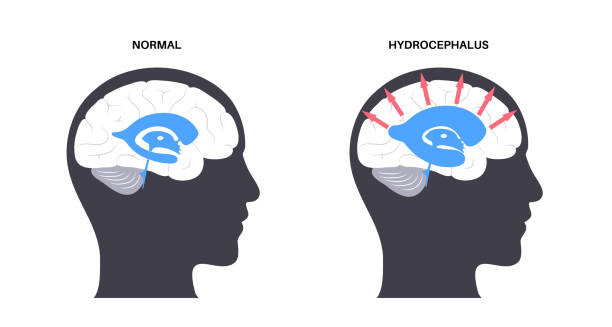

Hydrocephalus is a medical condition characterised by an abnormal build-up of cerebrospinal fluid (CSF) within the ventricles (cavities) of the brain. The term hydrocephalus derives from the Greek words “hydro,” meaning water, and “cephalus,” meaning head — together meaning “water on the brain.” This accumulation of fluid increases intracranial pressure, which can damage delicate brain tissues and result in a wide range of symptoms depending on the patient’s age, underlying cause, and severity of the condition.
The brain usually keeps a careful balance by making and absorbing cerebrospinal fluid. CSF protects the brain, brings nutrients, and removes waste. In hydrocephalus, this balance breaks. Either too much fluid is made, the flow is blocked, or the body cannot absorb the fluid well. This causes fluid to build up and press on the brain. This pressure can lead to physical problems and affect thinking.
Hydrocephalus can affect anyone but happens most in babies and older adults. In babies, the skull bones are soft, so the head may grow larger than usual. In older children and adults, symptoms often include headaches, vision troubles, and changes in mood or thinking. Without treatment, hydrocephalus can be life-threatening. Still, with quick medical help, especially surgery, many people live full lives.
Types of Hydrocephalus
There are several kinds of hydrocephalus:
- Congenital hydrocephalus — present at birth, often due to genetic problems or conditions like spina bifida.
- Acquired hydrocephalus — develops later from infections, brain tumors, injury, or surgery complications.
- Communicating hydrocephalus — CSF can flow between ventricles, but absorption into blood is poor.
- Non-communicating (obstructive) hydrocephalus — a physical block stops CSF flow.
- Normal pressure hydrocephalus (NPH) — mainly affects older adults causing balance issues, memory loss, and incontinence, even when pressure measures normal.
Each type presents different challenges and treatment needs. Congenital forms may require lifelong care. Some acquired cases improve if the cause is treated. NPH can be hard to spot because symptoms mimic dementia or Parkinson’s disease.
Global Impact and Diagnosis
Hydrocephalus rates vary worldwide based on healthcare access and prenatal screening. In rich countries, doctors often find hydrocephalus early through pregnancy ultrasounds or newborn checks. In many poorer regions, late diagnosis is common, increasing the risk of death or disability. Public education and better newborn care can help reduce this burden.
Treatment Options
Surgery is the main treatment. The most common is placing a shunt, a thin tube that drains excess fluid from the brain to another body part, usually the belly, where it absorbs. Another option is endoscopic third ventriculostomy (ETV). This surgery makes a small hole in the brain’s ventricle floor to let fluid flow around a blockage. Both treatments ease symptoms but can have risks like infection, blockages, or the need for further surgeries.
Living with Hydrocephalus
Hydrocephalus affects more than just physical health. Children may face learning delays and coordination problems. Adults might struggle with memory, mood, and independence. A team of specialists — neurologists, surgeons, therapists, and educators — helps patients get the best care.
Family and caregivers also play a big role. Parents learn to watch for warning signs like vomiting or irritability. Adults may depend on loved ones for daily tasks and medication. Since hydrocephalus can last a lifetime, strong support systems are key.
Research and Future Directions
Scientists continue studying the genes and environment factors behind hydrocephalus. They also work on improving surgeries and shunt designs. New imaging tools like MRI and CT scans help doctors diagnose and monitor the condition more easily and without pain.
The hope is to find less invasive and more natural treatments in the future that balance brain fluid better.
Prognosis
Outcomes vary. Some recover well after treatment, while others face lasting problems. Early diagnosis, type of hydrocephalus, cause, and quick treatment all affect results. Regular follow-up care improves quality of life.
Summary
Hydrocephalus is a complex brain condition caused by too much cerebrospinal fluid. It can be dangerous if untreated, but modern surgery and care have improved lives greatly. With proper treatment and support, people with hydrocephalus can live active, meaningful lives. Raising public awareness, improving healthcare access, and continuing research are vital to help those living with this condition worldwide.