
Hyperparathyroidism is a condition where the parathyroid glands make too much parathyroid hormone (PTH). This disrupts the balance of calcium, phosphorus, and vitamin D in the body. Though these glands are tiny, about the size of a grain of rice, their role is vital. They help nerves work, muscles contract, and bones stay strong. When they go into overdrive, calcium levels rise too much. This can cause many health issues if left untreated.
In this section, you will learn about the types of hyperparathyroidism, how it develops, and who faces the highest risk. The condition may start silently, but if not treated, it can lead to serious problems.
What Are the Parathyroid Glands?
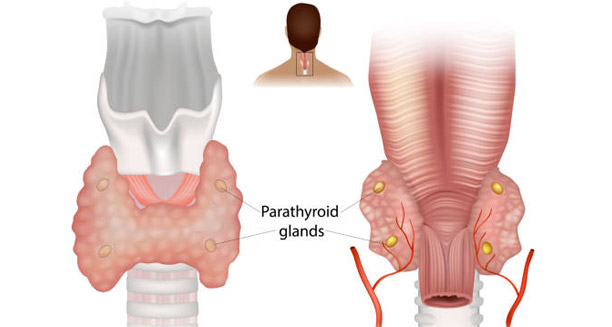
To understand hyperparathyroidism, you must first know the role of the parathyroid glands. These four tiny glands sit behind the thyroid in the neck. They belong to the endocrine system. While the thyroid controls metabolism, the parathyroids regulate calcium and phosphorus in the blood.
When calcium drops, the glands release more PTH. This hormone works in three ways:
• It pulls calcium from bones into the blood
• It boosts calcium absorption in the gut by activating vitamin D
• It lowers calcium loss through the kidneys
Normally, this feedback loop keeps calcium levels steady. But in hyperparathyroidism, the system breaks down. The glands release too much PTH, causing high blood calcium, also called hypercalcaemia.
Types of Hyperparathyroidism
There are three main forms of the disease. Each type has its own cause and treatment approach.
1. Primary Hyperparathyroidism
This type is most common. It often results from a benign growth (adenoma) on one gland. In some cases, all four glands enlarge (hyperplasia). Rarely, cancer is the cause. Here, the glands make too much PTH without any need. Calcium rises in the blood even when it should not. Many patients find out during routine blood tests before symptoms start. It often affects women after menopause.
2. Secondary Hyperparathyroidism
This type is usually linked to another illness, often chronic kidney disease. Low calcium levels trigger the glands to release more PTH. Despite this, calcium stays low or normal. This type is common in people with kidney failure. It can become severe if not treated early.
3. Tertiary Hyperparathyroidism
This stage follows years of secondary disease. Even after fixing the cause, like a kidney transplant, the glands keep making PTH. At this point, calcium becomes very high, and surgery is often needed.
Who Is at Risk?
Hyperparathyroidism can happen to anyone, but some people face higher risks:
• Women over 50, especially after menopause
• People with a family history of endocrine issues
• Those with chronic kidney disease
• People with genetic syndromes such as Multiple Endocrine Neoplasia (MEN)
• People with low vitamin D or calcium intake
Blood tests for calcium and PTH often give the first clue, even before symptoms show up.
Is Hyperparathyroidism Always Symptomatic?
No, not always. Many people do not have clear symptoms for years. Doctors often find it by chance during routine blood tests. Some people, however, feel vague problems like fatigue, bone pain, or mood changes.
When calcium levels rise too much, symptoms become obvious. These can include:
• Frequent urination and thirst
• Kidney stones
• Fragile bones and fractures
• Muscle weakness
• Nausea and vomiting
• Memory and mood issues
The wide range of symptoms makes early detection very important.
Why Early Diagnosis Matters
If left untreated, hyperparathyroidism can damage the kidneys, weaken bones, and affect the brain. Early diagnosis allows doctors to prevent these problems. For primary disease, surgery often cures it. For secondary and tertiary cases, fixing the root cause, like low vitamin D or kidney problems, is key.
A Growing Awareness
Today, better testing means more cases are caught early, even without symptoms. But many still go undiagnosed because signs are vague. Public awareness and routine check-ups improve outcomes.
With improved treatments and early detection, patients now have a better outlook than in the past. Knowing what hyperparathyroidism is and how it affects the body is the first step toward better health.