
Overview of Ingrown Hairs
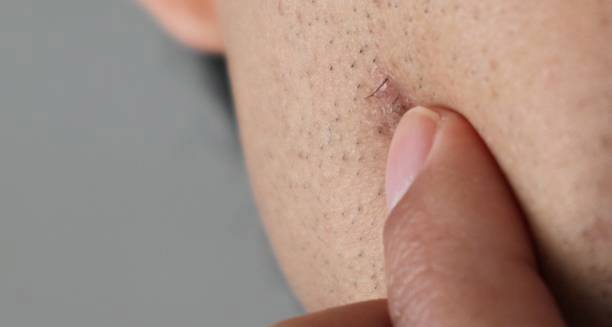
Ingrown hairs are a common and often irritating skin condition. They occur when a hair grows back into the skin instead of rising up and out of the follicle. This results in small, red, and sometimes painful bumps that look like pimples. Although these hairs are usually not serious, they can cause discomfort, swelling, and even infection if ignored. They often appear in areas where hair is shaved, waxed, or plucked—such as the face, neck, underarms, legs, bikini line, and chest.
When a hair gets trapped beneath the skin, the body treats it as a foreign object. This reaction triggers inflammation, causing redness, puffiness, and sometimes pus-filled bumps. Some ingrown hairs stay near the surface and go away on their own. Others burrow deeper, creating painful cysts or abscesses that may need medical care. People with curly or coarse hair are more likely to get ingrown hairs. Their hair’s natural curve makes it easier for hairs to re-enter the skin after shaving or waxing.
There are two main types of ingrown hairs. In extrafollicular penetration, the hair exits the follicle but grows back into the skin nearby. In transfollicular penetration, the hair never leaves the follicle and instead grows sideways into the skin. Both types cause similar symptoms and can become a recurring issue depending on your skin type or grooming habits.
Anyone can get ingrown hairs, but people who shave often face a higher risk. Shaving too closely, using dull razors, or shaving the wrong way makes it worse. Waxing and tweezing also disturb hair follicles, making hairs grow back in strange directions. Wearing tight clothing adds to the problem. Friction from garments like underwear or gym leggings traps hairs against the skin, pushing them inward.
Physical and Emotional Effects of Ingrown Hairs
Besides physical symptoms, ingrown hairs can affect a person’s confidence. When they show up on visible areas like the face or neck, they can cause embarrassment and self-consciousness. Some people may avoid social activities because of them. If left untreated, recurring ingrown hairs may lead to dark spots or even scars, especially in people with darker skin tones.
The good news is that ingrown hairs are often preventable. You can reduce your risk by following good grooming habits, using the right skincare products, and knowing what triggers the condition for you. Common treatments include gentle exfoliation, warm compresses, and over-the-counter creams. In more severe cases, doctors may prescribe stronger topical or oral medication. For ongoing or stubborn cases, laser hair removal may provide long-term relief by slowing down hair growth and stopping hairs from curling back into the skin.
Dermatologists now take these hairs more seriously than before. In chronic cases, especially those that become infected, ingrown hairs can damage skin and reduce quality of life. One example is pseudofolliculitis barbae—a long-term form of these hairs that affects the beard area. This condition is now seen as a medical issue and often needs proper treatment.
In summary, ingrown hairs are caused when hair grows into the skin instead of out of it. While usually harmless, they can lead to pain, redness, dark marks, and infections. Knowing what causes them and how to avoid them is key. With the right care, most ingrown hairs can be treated easily, restoring your skin’s health and your confidence.