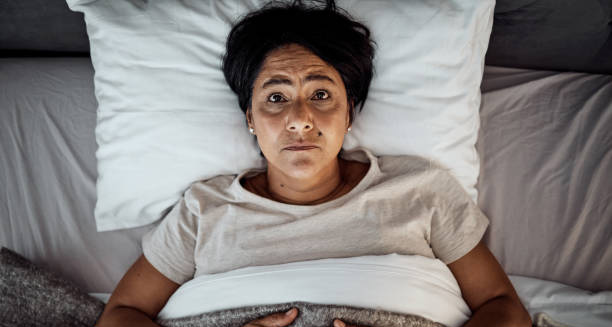

Insomnia is a widespread sleep disorder affecting millions globally. It causes persistent trouble falling asleep, staying asleep, or waking too early without the ability to return to sleep. Even when people have enough time to rest, insomnia prevents them from feeling refreshed, leading to fatigue, irritability, and difficulty functioning during the day. While occasional sleeplessness is normal, chronic insomnia requires medical help and treatment to avoid serious long-term health effects.
Insomnia is not just one condition but a complex disorder with varied symptoms. Some people lie awake for hours before falling asleep, others wake often during the night, or feel their sleep isn’t deep or restorative. It usually develops gradually, starting with a few poor nights and becoming a chronic problem that harms both mental and physical health. Sleep is essential for life, and ongoing disruption affects nearly every body system.
There are two main types:
- Primary insomnia: occurs without any clear underlying medical or psychological cause.
- Secondary insomnia: caused by other conditions like chronic pain, asthma, depression, anxiety, menopause, medication side effects, or substance use. Identifying this distinction is crucial for effective treatment.
Insomnia is also classified by duration:
- Acute insomnia: short-term, often due to stress or events like job loss, exams, or jet lag. Usually resolves once the trigger passes.
- Chronic insomnia: lasts at least three nights per week for three months or longer. Usually requires behavioural therapy combined with medical approaches for lasting relief.
Age and gender influence insomnia. It is more common in older adults due to changes in sleep patterns, more health problems, and medication use. Women experience higher rates, especially during hormonal changes in pregnancy, perimenopause, and menopause. Children and teens also face growing insomnia rates linked to academic pressure, screen time, and anxiety.
Insomnia significantly impacts mental health. It’s strongly linked to depression and anxiety, disrupting brain chemicals and emotional recovery. Poor sleep worsens mood disorders, creating a cycle of distress. Early treatment can prevent this decline.
Physiologically, chronic insomnia weakens immune function, raises inflammation, and increases stress hormones like cortisol. It heightens risks for high blood pressure, diabetes, heart disease, and obesity. Sleep is vital for cell repair and metabolism; without it, overall health deteriorates. Cognitive functions such as concentration, memory, and decision-making also suffer.
On a societal level, insomnia contributes to accidents, injuries, and lost productivity. Sleep deprivation slows reactions, impairs judgement, and affects mood, reducing effectiveness at work and home. Employers and health systems now recognise insomnia as a serious public health concern.
Modern lifestyles and technology have increased insomnia worldwide. Evening exposure to smartphones and computers emits blue light, which disrupts melatonin and circadian rhythms. Irregular schedules, long work hours, and stress further disturb sleep cycles, especially among young adults and city dwellers.
Despite its prevalence, many do not seek help, underestimating insomnia’s severity or expecting it to improve alone. This often leads to harmful coping habits like excess caffeine, alcohol, or daytime naps, worsening the problem. Untreated insomnia can become deeply rooted and harder to fix.
The positive news is insomnia is treatable. Current approaches focus on identifying causes and promoting healthy sleep habits. Cognitive Behavioural Therapy for Insomnia (CBT-I) is the best long-term treatment, offering lasting benefits without medication side effects. Drugs are available but usually reserved for short-term or specific cases due to risks like dependency.
In summary, insomnia is a multifaceted condition affecting mind, body, and life quality. It often requires a mix of behavioural and medical treatment to overcome. With awareness, early diagnosis, and personalised care, most people can improve their sleep and health. As research advances, so will support for those challenged by insomnia.