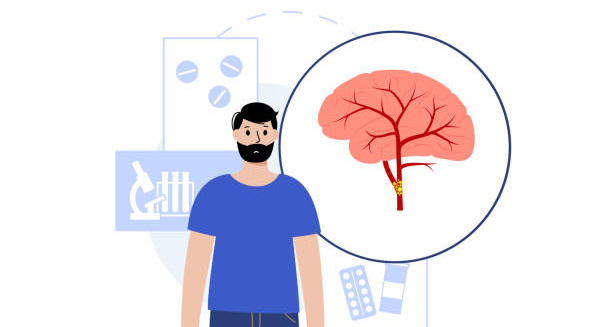

Overview of Intracranial Hypertension
Intracranial hypertension is a medical condition characterised by increased pressure within the skull, often due to an imbalance in the production and absorption of cerebrospinal fluid (CSF) or a blockage in its circulation.
The skull holds the brain, blood, and CSF inside a hard, fixed space. When pressure rises above normal—usually over 20 mmHg in adults—it squeezes brain tissue, affects brain function, and can lead to serious problems if not treated.
There are two main types of intracranial hypertension: idiopathic (also called primary) and secondary. Idiopathic intracranial hypertension has no clear cause, but it is strongly linked to risk factors like obesity and hormone changes. It affects women of childbearing age more often. In contrast, secondary intracranial hypertension comes from a known problem, such as a brain tumour, head injury, infection, or side effects from medicine.
Although this condition is rare, it can greatly affect a person’s life. People often deal with strong and ongoing headaches, blurry or double vision, nausea, and a whooshing sound in the ears (called pulsatile tinnitus). In more serious cases, intracranial hypertension may cause swelling of the optic nerve. This can lead to lasting vision loss if doctors don’t treat it quickly. The symptoms can start off mild but tend to get worse, making quick medical care important.
What Happens Inside the Brain with Intracranial Hypertension
Doctors and researchers are still studying exactly how intracranial hypertension works. But they know that anything that upsets the normal flow of CSF can lead to too much pressure in the skull. CSF cushions the brain, carries away waste, and brings in nutrients. The body makes it and reabsorbs it all the time. If that cycle gets blocked—because of too much fluid, not enough absorption, or something in the way—then pressure builds up.
This condition, especially idiopathic intracranial hypertension, often affects women between the ages of 20 and 45. It’s most common in women who are overweight or have gained weight quickly. Hormones, especially oestrogen, seem to play a role, although experts are still looking for clear proof. On the other hand, secondary intracranial hypertension can affect anyone, no matter their age or gender. It’s usually caused by something more obvious, like a growth, infection, or injury.
How Intracranial Hypertension Is Diagnosed and Treated
Doctors often find it hard to diagnose intracranial hypertension because its signs look like those of other conditions. Migraines, cluster headaches, or brain tumours can have similar symptoms. So, a full diagnosis usually needs a few steps. These include a physical exam, scans like MRI or CT, a spinal tap, and eye checks. The spinal tap is key because it shows the pressure of the CSF and helps rule out infections or bleeding.
Treatment has three main goals: to lower the pressure, protect the eyes, and treat any root cause. When the condition is mild, simple steps like losing weight, eating better, or drinking less fluid might help. Doctors often prescribe medicines like acetazolamide to lower CSF production, or diuretics to reduce fluid levels. For tougher cases, surgery might be needed. Procedures like optic nerve sheath fenestration or a CSF shunt can ease the pressure and save vision.
Living with Intracranial Hypertension
Dealing with intracranial hypertension can be hard on both the body and mind. The symptoms often come and go, and the risk of vision problems can cause stress and fear. Many people find it tough to work, stay social, or do daily tasks. Still, with early care, smart planning, and regular check-ups with neurologists and eye doctors, many people can live full, active lives.
Researchers are working hard to better understand intracranial hypertension. They aim to improve how it’s diagnosed and treated. New studies focus on going beyond symptoms to find treatments that deal with the cause. Support groups are also helping more people. They raise awareness and give patients a place to connect with others who understand.
In conclusion, intracranial hypertension is a serious but treatable problem. It needs quick care and long-term follow-up. Whether idiopathic or secondary, it can harm the brain and eyes if ignored. More awareness—both among doctors and the public—can lead to earlier diagnosis, better care, and improved lives for those affected.