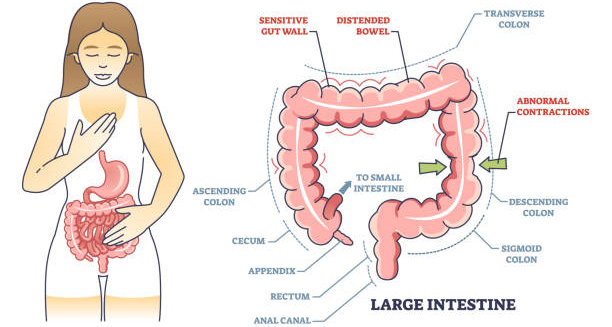

Irritable Bowel Syndrome (IBS) is a common, long-term disorder that affects the large intestine, characterised by abdominal pain, bloating, gas, and altered bowel habits such as diarrhoea, constipation, or a combination of both.
While Irritable Bowel Syndrome does not damage the colon or raise the risk of serious bowel disease, it still affects quality of life for millions of people worldwide. The condition often begins in early adulthood. It is more common in women, but it can affect people of any age or gender.
Unlike Crohn’s disease or ulcerative colitis, which involve visible inflammation, Irritable Bowel Syndrome is a functional gut disorder. The digestive system looks normal, but it does not work properly. People with IBS go through painful episodes that come and go. Triggers include stress, certain foods, or hormone changes.
Even though IBS is not life-threatening, it can cause a lot of frustration. It can disrupt work, travel, social events, and sleep. That makes daily life difficult for many who live with it.
Understanding the Impact of Irritable Bowel Syndrome
IBS affects around 10–15% of people worldwide. The real number might be higher, as many people don’t get diagnosed. This may be due to the stigma of gut symptoms or because IBS looks like other problems.
Many people go years without answers. Doctors may mistake it for anxiety or food sensitivity. That delay can lead to stress and unhelpful treatments.
The exact cause of Irritable Bowel Syndrome is still unknown. However, experts believe it happens when the brain and gut stop working well together. The gut has its own nerve network, called the enteric nervous system — often called the “second brain.” In IBS, this gut-brain link becomes unbalanced. This makes the gut over-sensitive and causes it to move in unusual ways.
That’s why people with IBS feel pain, cramping, and urgent bathroom needs — even though the gut looks healthy on scans or tests.
Types of Irritable Bowel Syndrome
Doctors classify IBS based on your usual bowel habits. These types include:
- IBS-D (mainly diarrhoea)
- IBS-C (mainly constipation)
- IBS-M (both diarrhoea and constipation)
- IBS-U (symptoms that don’t fit one group)
This system helps doctors choose the right treatment. No matter the type, pain and bloating are usually always present in Irritable Bowel Syndrome.
IBS symptoms also come and go. Some people have long breaks between flare-ups. Others have symptoms most days. Because of this, treatment needs to be tailored. It often includes diet changes, stress control, and sometimes medicine or therapy.
The good news? IBS won’t turn into cancer. It won’t damage your bowels for life. And you can’t give it to someone else. But even so, the stress it causes can affect your mood, sleep, and confidence.
Mental Health and Irritable Bowel Syndrome
One tricky part of Irritable Bowel Syndrome is its link to mental health. Many people with IBS also live with anxiety or depression. The connection works both ways. Stress and sadness can make the gut act up. Gut pain and worry can also affect your mood.
That’s why it’s so important to treat both the body and the mind. Calming your thoughts can help calm your gut. Support from therapists, counsellors, or mindfulness practices can make a big difference in managing symptoms.
How Doctors Diagnose Irritable Bowel Syndrome
There is no simple test for IBS. Instead, doctors first rule out other causes. These include coeliac disease, inflammatory bowel disease, and bowel cancer.
Once other problems are ruled out, diagnosis is based on your symptoms and history. Most doctors use a checklist called the Rome IV criteria. This helps make the diagnosis more clear and reliable.
The main goal of this article is to explain Irritable Bowel Syndrome in full. You’ll learn about its causes, symptoms, how it’s diagnosed, how to treat it, and what problems it might cause. We want to offer clear, helpful facts so patients, carers, and doctors can work together to manage this condition better.