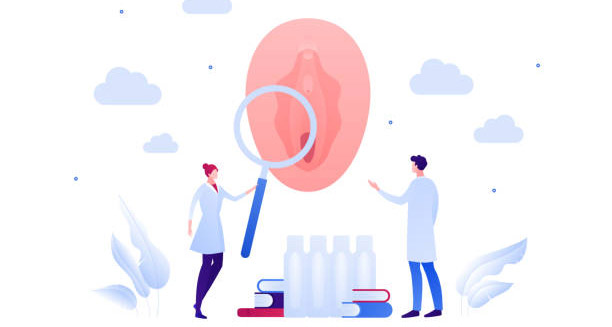

Labial fusion is a condition that occurs when the labia minora—the inner folds of the vulva—adhere together, partially or completely covering the vaginal opening. This condition is most commonly seen in prepubertal girls, typically between the ages of three months and six years. While labial fusion can initially cause concern among parents or caregivers, it is generally a benign condition that often resolves with time or minor treatment. Understanding the anatomical, physiological, and developmental factors involved is essential for recognising and appropriately managing this condition.
This condition does not result from any birth defect or structural issue. Instead, labial fusion develops over time due to several factors, including low oestrogen levels, local irritation, and inflammation. In young children, oestrogen levels are naturally low—especially after the initial influence of maternal hormones wears off. This low hormonal state, combined with friction, poor hygiene, or recurring infections, may cause the labia to stick together. In most cases, the fusion is partial and causes no symptoms. However, complete fusion may sometimes lead to urinary problems.
Labial fusion is often found by chance during routine paediatric check-ups or when a caregiver notices something unusual in the child’s genital area. It may appear as a thin, pale line where the labia have joined, running from the clitoris down to the posterior fourchette. Sometimes, only a small opening is left for urine to pass through. If the opening becomes irritated or narrowed, the child may show signs of discomfort. Still, most girls with labial fusion have no pain or infection, and the condition rarely causes long-term issues.
Diagnosis and Clinical Features in the Overview of Labial Fusion
In the past, labial fusion was sometimes confused with more serious conditions like ambiguous genitalia or vaginal agenesis. Thankfully, improved clinical knowledge now allows doctors to make a quick and accurate diagnosis by simply examining the area. There’s no need for imaging or invasive tests unless a more serious issue is suspected. A proper physical exam is enough to confirm the diagnosis and rule out other genital conditions.
Although labial fusion is harmless, hearing the diagnosis often causes worry for parents. Many fear that it might affect their child’s growth or future fertility. That’s why reassurance and clear education are key parts of care. Parents should know that labial fusion does not affect the uterus, ovaries, or other internal organs. In most cases, the labia will separate naturally during puberty when oestrogen levels rise. This natural change is one reason why many doctors recommend simply observing the condition first.
Observation is often the only treatment needed, especially when the child shows no symptoms. If problems do occur—like pain, difficulty urinating, or urinary tract infections—then treatment may be necessary. Doctors often prescribe a topical oestrogen cream for a few weeks. This cream helps the labia separate slowly and gently. While side effects are rare, they can include skin darkening or temporary breast swelling. These effects usually go away after the treatment ends.
Treatment Options in the Overview of Labial Fusion
Surgery is almost never needed. It’s only considered if the fusion keeps coming back or doesn’t respond to creams. In those rare cases, a doctor may perform a quick and gentle procedure to separate the labia. This is done under local or general anaesthesia. Even then, surgery is avoided unless truly necessary because of the stress it might cause and the high chance that the condition would resolve on its own.
Preventing labial fusion from returning is also important. After successful treatment, some children may have recurring fusions if certain habits or irritants aren’t addressed. Prevention includes good hygiene, avoiding perfumed soaps or bubble baths, and keeping the genital area clean and dry. Barrier creams like petroleum jelly can help reduce friction. For toilet-trained children, wiping front to back can also reduce the risk of irritation caused by bacteria from the stool.
Although labial fusion mainly affects young girls, it can also occur in postmenopausal women. In older women, the issue is caused by falling oestrogen levels, which make the tissues thinner and more prone to sticking. In this group, labial fusion can cause dryness, discomfort, or problems with urination and sexual activity. Treatments often include local oestrogen creams or hormone therapy, depending on the woman’s needs and medical background.
Differential Diagnosis and Conclusion on the Overview of Labial Fusion
It’s important to distinguish labial fusion from other conditions that might look similar. These include lichen sclerosus, vulvovaginitis, or labial hypertrophy. Each of these has different causes and requires different treatment. A full clinical exam and a good patient history are essential for a correct diagnosis. If the case is unusual or unclear, referral to a paediatric gynaecologist or dermatologist may be helpful.
In conclusion, labial fusion is a common and harmless condition seen mostly in young girls and sometimes in older women. It involves the sticking together of the labia minora, often due to low oestrogen and local irritation. The condition is usually mild and goes away on its own. In cases with symptoms, simple treatments like oestrogen cream are usually enough. With the right care, education, and follow-up, labial fusion almost never causes lasting problems.