
Overview of Legionnaires’ Disease
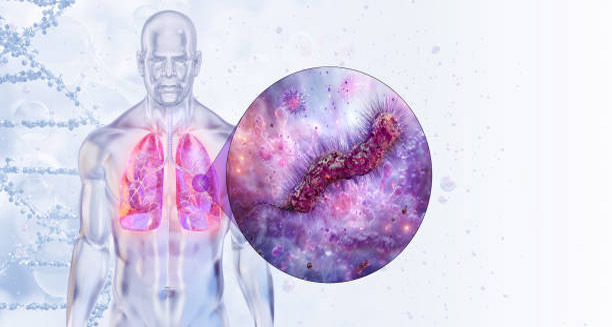
Overview of Legionnaires’ disease focuses on a severe form of pneumonia caused by Legionella bacteria. These bacteria thrive in freshwater environments but become hazardous when they grow and spread in human-made water systems like air conditioning units, hot tubs, fountains, and plumbing networks. The overview of Legionnaires’ disease includes its origins, the populations most at risk, routes of transmission, global impact, and public health implications. Understanding this condition is essential for timely diagnosis, effective treatment, and improved prevention strategies.
Legionnaires’ disease was first identified in 1976. That year, an outbreak occurred at an American Legion convention in Philadelphia. Over 200 people fell ill, and more than 30 died. This led to the discovery of Legionella pneumophila as the cause. Since then, the disease has been found worldwide, especially in industrialised countries. These regions often have more complex water systems. Though not as common as other pneumonias, Legionnaires’ disease tends to be more severe. It can even be deadly, especially for older adults or people with weak immune systems.
How Infection Happens in Legionnaires’ Disease
The overview of Legionnaires’ disease shows that it doesn’t spread from person to person. Instead, people get sick after breathing in water mist that has the bacteria. This mist comes from sources like air conditioning cooling towers, large plumbing systems, decorative fountains, and spas. When someone inhales the contaminated mist, the bacteria travel to the lungs. There, they multiply and cause swelling, which leads to pneumonia symptoms.
Early symptoms often look like the flu. A person may get a high fever, chills, sore muscles, and headaches. These signs are soon followed by a dry cough, trouble breathing, and chest pain. Some people also have diarrhoea, nausea, or vomiting. Confusion and tiredness can appear too, especially in older patients. Diagnosing Legionnaires’ disease can be tricky. Its symptoms are similar to other illnesses like flu or COVID-19.
At-Risk Groups in the Overview of Legionnaires’ Disease
This overview of Legionnaires’ disease also explains who faces the highest risk. People over 50, smokers, and those with long-term illnesses are more likely to get sick. Conditions like lung disease, diabetes, kidney problems, and cancer raise the danger. People with weak immune systems are also more at risk. That includes patients taking steroids or undergoing chemotherapy. Hospitals are a big concern. Patients there may already be vulnerable or exposed to invasive medical procedures, making infection more likely.
In many cases, Legionnaires’ disease requires treatment in a hospital. Doctors often use antibiotics like azithromycin or levofloxacin. These work well if given early. But if treatment is delayed or if doctors mistake the illness for something else, serious problems can follow. These may include breathing failure, kidney damage, or septic shock. In healthy people, death occurs in about 5% to 10% of cases. That number jumps above 30% in hospital outbreaks or if the disease goes untreated. Quick diagnosis and support improve the chance of recovery.
Public Health View in the Overview of Legionnaires’ Disease
From a public health angle, the overview of Legionnaires’ disease highlights the need for proper water system care. Regular cleaning, use of chlorine, and control of water temperature help stop bacteria from growing. Legionella loves warm, still water. So, buildings with poor water upkeep pose the greatest risk. Many countries now have rules that require regular testing. Hotels, hospitals, and large public buildings often must follow these rules to lower outbreak risks.
Community and Environmental Impact
Another part of the overview of Legionnaires’ disease is the risk of large outbreaks. A single source of tainted water can affect many people. Past outbreaks have led to big changes in public health systems. These changes include better rules, training for maintenance staff, and steps to catch cases early. In some places, this has helped lower the number of new infections. Still, isolated cases happen all over the world.
The environment also plays a role. Climate change and the rise of water-based cooling systems may raise infection rates. Warmer places are especially at risk. As buildings become more complex, with decorative water features or advanced cooling, the chances for bacteria to grow also rise. That’s why architects, engineers, and building managers must work with health experts. Together, they can create safer systems.
Other Forms and Final Summary of the Overview of Legionnaires’ Disease
Besides the main illness, there’s also Pontiac fever. This is a milder sickness caused by the same bacteria. It brings fever and muscle pain but does not lead to pneumonia. Most people get better without treatment. However, if a group gets Pontiac fever, it may be a sign that Legionella is in the water. This can prompt health teams to investigate and act fast.
To sum up, the overview of Legionnaires’ disease shows a serious illness that can be stopped with the right actions. It connects medicine and building design. The disease is a real threat to those who are already weak or sick. But with fast treatment and good prevention, people can recover well.
More people now know about Legionnaires’ disease. That has led to more water testing, better rules, and safer buildings. Still, we need more education, global teamwork, and strong efforts to protect water systems. As cities grow and buildings get more advanced, staying ahead of the risk is key to keeping people safe.