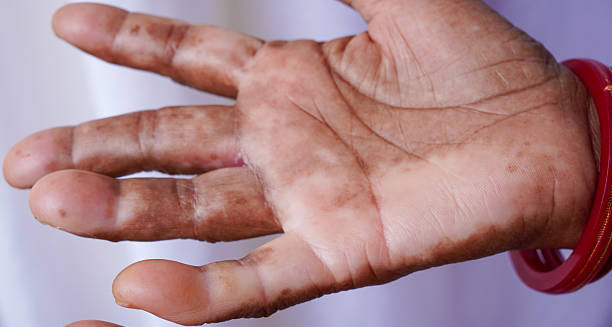

Overview of Leprosy
Overview of Leprosy is essential for understanding one of the world’s oldest known infectious diseases, which continues to pose a public health challenge in some regions.
Leprosy, also known as Hansen’s disease, is a long-term illness caused by a bacterium called Mycobacterium leprae. It mostly affects the skin, nerves near the skin, the inside of the nose, and the eyes. The overview of leprosy helps us see how this disease changed over time. It moved from being feared and misunderstood to something we can now treat. This shift happened thanks to new treatments and strong efforts by health organisations.
The disease develops slowly. It can take years before any symptoms show up. Because the bacteria grow very slowly, people often don’t know they have leprosy for a long time. Skin problems or nerve issues may appear much later. The illness spreads through close contact over a long period, most likely through droplets from the nose. Unlike old beliefs, leprosy does not spread easily. In fact, most people have natural protection against it. Even so, spotting it early remains key. It stops lasting damage and helps break the chain of spread.
Global Spread and Current Status in the Overview of Leprosy
A full overview of leprosy should look at where the disease still exists today. It used to be found worldwide, but now it mainly affects parts of Asia, Africa, and South America. Each year, more than 200,000 new cases appear, according to the World Health Organization (WHO). India, Brazil, and Indonesia report the most cases. Thanks to strong health campaigns, many areas have seen big drops in cases. But in places with weak healthcare and strong stigma, leprosy still lingers.
Over time, fear and myths caused harsh treatment of people with leprosy. Many were forced into leper colonies and taken away from their families. They lost jobs, respect, and their place in society. This deep-rooted stigma remains, even though leprosy can be cured. A mix of drugs called multidrug therapy (MDT), given free by WHO, works well. So, the overview of leprosy must also highlight the global push to reduce stigma and help cured people return to normal life.
Types, Symptoms, and Complications in the Overview of Leprosy
Leprosy shows up in two main ways: paucibacillary and multibacillary. The first type is mild and causes only a few skin and nerve problems. The second is more serious and affects more parts of the body. Both types can be treated if caught early. If not, they can lead to serious problems. These include changes to the shape of limbs, loss of sight, and long-lasting pain from nerve injury. Even after finishing treatment, many people deal with physical and emotional scars. That’s why care must go beyond medicine.
The overview of leprosy must include its warning signs. These often start with skin changes. Some patches lose color or become darker and may feel numb. Over time, damaged nerves cause muscle weakness and even deformities in hands and feet. The eyes can also suffer, leading to vision problems or even blindness. Acting fast with MDT can stop the bacteria and prevent most of these issues. But for those with nerve damage, extra care and therapy may still be needed.
Public Awareness and Mental Health in the Overview of Leprosy
Public health plays a big role in the overview of leprosy. Community check-ups, training for local health workers, and public education are very important. Finding hidden cases early means faster treatment. In areas where the disease is common, spreading correct information helps reduce fear. New testing tools and better health systems have made it easier to find and treat cases. However, more money and effort are still needed.
Mental health must also be part of this picture. Even after they are cured, many people feel ashamed or left out. The damage leprosy does to the body can be seen, and that leads to people treating them unfairly. Because of this, many suffer from sadness or anxiety. Research shows that mental health problems are common among people with leprosy. So, support like counselling and job training becomes very important. These programmes help people gain confidence again.
International Goals and the Future in the Overview of Leprosy
The Global Leprosy Strategy by WHO gives clear goals. It wants zero spread of leprosy, no new children with lasting problems, and no more unfair treatment of people who have or had the disease. To reach these goals, we need to keep checking for cases, improve vaccines and tests, and make sure health clinics can handle cases early.
In short, the overview of leprosy shows us that the disease can be treated, but its impact still runs deep. Leprosy affects people’s bodies, minds, and lives. To beat it, we need doctors, leaders, social workers, and communities to work together. With strong efforts, early treatment, and care for the whole person, we can stop new cases and help those already affected to live better lives.