
Overview of Leukaemia
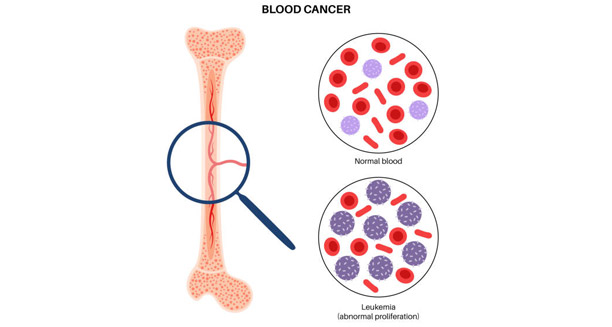
The overview of Leukaemia refers to a comprehensive understanding of the disease known as leukaemia, which is a type of blood cancer that starts in the bone marrow and affects how white blood cells are made. Overview of Leukaemia is essential to help patients, caregivers, and doctors understand how the disease develops, spreads, and affects the body. Leukaemia happens when the bone marrow makes too many abnormal white blood cells. These faulty cells can’t do their job and get in the way of making red blood cells and platelets.
Types and Classifications of Leukaemia
Leukaemia isn’t just one disease. It’s a group of blood cancers, each with different subtypes, outcomes, and treatments. Doctors group them by how fast they grow—acute or chronic—and the type of blood cell they affect—lymphoid or myeloid. Acute types like Acute Lymphoblastic Leukaemia (ALL) and Acute Myeloid Leukaemia (AML) grow quickly and need fast treatment. Chronic types like Chronic Lymphocytic Leukaemia (CLL) and Chronic Myeloid Leukaemia (CML) grow more slowly. Doctors may choose to watch them for a while before starting treatment.
The Overview of Leukaemia also shows how it affects people differently. For example, ALL is more common in children, while CLL is usually found in older adults. We still don’t know the exact cause, but some risk factors increase the chance of getting it. These include inherited traits, radiation, smoking, contact with certain chemicals, and past cancer treatments. Knowing these risks helps in spotting leukaemia early and maybe even lowering the chances of getting it.
Recognising Symptoms of Leukaemia
Symptoms vary based on the type and stage of leukaemia. Common signs include feeling very tired, frequent infections, losing weight without trying, anaemia, bruising or bleeding easily, and swollen lymph nodes. Because these signs can look like other less serious illnesses, diagnosis often takes time. That’s why knowing the signs and seeing a doctor early is so important.
Doctors usually use blood tests, bone marrow samples, and scans to find and confirm leukaemia. Looking at blood and marrow under a microscope and doing lab tests helps identify the exact type. New genetic tests give doctors even better tools to understand the disease. These tools also help them choose treatments that match the patient’s specific cancer features.
Treatment and Advances in Care
Treatment depends on the type of leukaemia, the patient’s age, health, and genetic markers of the cancer. Chemotherapy is still one of the main treatments. Doctors may also use radiation or targeted drugs. A bone marrow transplant can be life-saving, especially for patients who relapse or have high-risk disease. New treatments like CAR-T cell therapy and monoclonal antibodies are becoming more common, especially when the disease doesn’t respond to standard treatments.
The outlook for people with leukaemia has improved over the years. Early diagnosis, better treatments, and supportive care all help. Survival rates now vary by type, with some chronic forms being controlled for years. At the same time, doctors focus more on quality of life. Treatments now aim to reduce side effects and help people stay active and well.
Public Awareness and Support in Leukaemia Care
Public health plays a big part in the Overview of Leukaemia. Education, early testing, and research funding all help people understand and manage this disease better. Clinical trials are also key to finding new treatments. These trials give hope to patients who don’t get better with standard care and help doctors improve how they treat others in the future.
Support systems are also very important. Patients often need emotional help to deal with their diagnosis and treatment. They may also need nutrition advice, physical therapy, and help managing side effects. Getting family, social workers, and support groups involved gives a more complete type of care.
Campaigns and teamwork across countries have helped us learn more about leukaemia. Global databases and research studies help track patterns and see how the disease affects people in different places. These efforts also make sure that people in low- and middle-income countries get better care too.
Why the Overview of Leukaemia Matters
In summary, the Overview of Leukaemia covers many parts of this disease—from where it starts in the body to how it shows up, how we diagnose it, and how we treat it. It shows that leukaemia is complex and can affect anyone. Education, early awareness, and new ideas are key to making sure patients get the best and kindest care. By learning the Overview of Leukaemia, people and communities can take steps to stay informed, seek early help, and support cancer research around the world.