Mental Matters

Mental Matters

  • Health & Wellness
  • Mental Health
  • Live Better
  • Directory
  • Articles & Guides
  • Advertise
  • Blog
  • Fields
  • Health & Wellness
  • Mental Health
  • Live Better
  • Directory
  • Articles & Guides
  • Advertise
  • Blog
  • Fields
  • Health & Wellness
  • Mental Health
  • Live Better
  • Directory
  • Articles & Guides
  • Advertise
  • Blog
  • Fields
  • Health & Wellness
  • Mental Health
  • Live Better
  • Directory
  • Articles & Guides
  • Advertise
  • Blog
  • Fields

Living with BDD

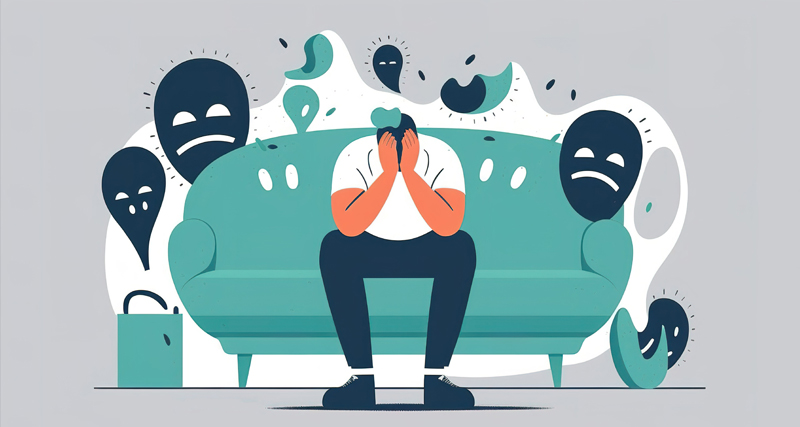
Illustration of a person sitting on a couch with their head in hands, surrounded by negative thoughts symbolising Body Dysmorphic Disorder (BDD).

An abstract illustration showing the emotional burden faced by individuals living with Body Dysmorphic Disorder.

Living with BDD – Self-Compassion and Recovery

Living with Body Dysmorphic Disorder can feel isolating and overwhelming. However, with support, self-awareness, and ongoing treatment, recovery is possible. Living with BDD and learning to accept uncertainty, reduce compulsive behaviours, and build self-worth beyond appearance are key to long-term wellbeing.

1. Rebuilding self-image

  • BDD convinces people they are flawed, but healing starts by questioning these beliefs.
  • Celebrate strengths unrelated to appearance — kindness, creativity, intelligence.
  • Avoid toxic comparisons on social media or in real life.

2. Managing setbacks

  • BDD is often a chronic condition with periods of relapse and remission.
  • Setbacks don’t mean failure. They are opportunities to apply learned strategies and get back on track.

3. Building a strong support system

  • Surround yourself with people who value you for who you are, not how you look.
  • Be honest about your condition with trusted friends or family members.
  • Join a support group to feel less alone.

4. Limiting triggers

  • Unfollow social media accounts that promote unrealistic beauty standards.
  • Set time limits on mirror use or self-checking behaviours.
  • Use positive affirmations to redirect inner dialogue.

5. Returning to life

  • As treatment progresses, individuals often re-engage with school, work, hobbies, and relationships.
  • Focus shifts from “fixing” appearance to finding purpose, passion, and joy.

6. Finding local help in South Africa

  • Reach out to SADAG (0800 567 567) or visit www.sadag.org.
  • Public mental health services are offered at provincial hospitals and community clinics.
  • Private psychologists and psychiatrists can also offer CBT-based care if affordable.

7. Self-care tips

  • Practice daily mindfulness or journaling
  • Engage in activities that bring fulfilment
  • Prioritise rest, nutrition, and movement

Recovery from BDD is not about ignoring appearance altogether — it’s about placing appearance in its rightful place, no longer at the centre of your identity.

Living with BDD

You are more than what you see in the mirror. With the right help, you can learn to see yourself through a lens of compassion and resilience.

👉 [End of Series | Back to Overview]



Living with Adult ADHD
Diagnosis and Recognition of BDD
Causes and Risk Factors of BDD
Treatment Options for BDD

Related Posts

Woman sleeping on open books due to excessive daytime sleepiness
Excessive Daytime Sleepiness

Excessive Daytime Sleepiness

July 7, 2025

Excessive Daytime Sleepiness Excessive daytime sleepiness is a condition in which a...

Woman curled up in pain on bed due to complications from heavy menstrual bleeding
Health Conditions

Complications of Heavy Periods

July 24, 2025

Complications of Heavy Periods The complications of heavy periods can be wide-ranging,...

Mental Matters

Facebook Instagram

Your Weekly Dose of Mental Health Support
– Straight to Your Inbox

  • Your journey to better mental health starts here—with expert insights and helpful resources delivered weekly.


© 2025 Mental Matters. All rights reserved. The content on this website is intended for informational purposes only and does not constitute medical advice, diagnosis, or treatment. Please consult a qualified health professional for any medical concerns.

Quick Links

  • Directory

  • Advertise

  • Conditions

  • Real Talk

  • Eating Disorders

  • Depressed

  • Autism

  • Community

  • Resources

About

  • Get In Touch

  • Home

  • Privacy Policy

  • Suicide Prevention Support

  • Terms & Conditions

© 2025 Mental Matters. All rights reserved.

No Result
View All Result
  • Health & Wellness
  • Mental Health
  • Live Better
  • Directory
  • Articles & Guides
  • Advertise
  • Blog
  • Fields

© MENTAL MATTERS 2024