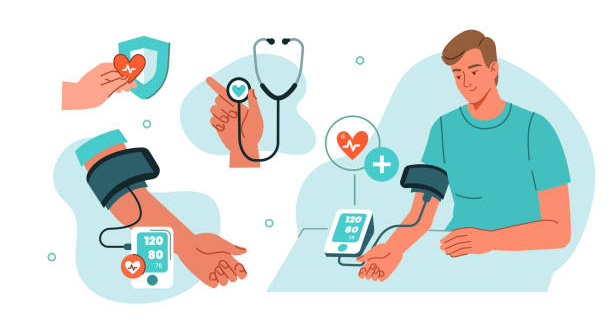

Low blood pressure, or hypotension, occurs when blood pressure readings fall significantly below normal levels — typically when systolic pressure is below 90 mmHg or diastolic pressure is below 60 mmHg. While it can be harmless and even desirable for some, particularly athletes or physically active individuals, hypotension can cause symptoms like dizziness, fainting, and fatigue. In some cases, it may indicate underlying health problems that require attention.
Blood pressure refers to the force of circulating blood against artery walls. Several factors influence it, including heart output, blood volume, arterial stiffness, and hormones. When blood pressure drops too low, vital organs like the brain, kidneys, and heart may not get enough oxygen and nutrients, leading to symptoms or serious complications.
For many, low blood pressure doesn’t cause symptoms and requires no treatment. Athletes and those who maintain an active lifestyle often have naturally lower blood pressure due to increased cardiovascular efficiency. Likewise, individuals who follow a healthy diet or have a low sodium intake may have lower readings without negative effects.
However, when low blood pressure impairs blood flow to the brain and other vital organs, it can cause symptoms like:
- Light-headedness or dizziness, especially when standing up quickly.
- Blurred vision or tunnel vision.
- Weakness or fatigue.
- Fainting (syncope) or near-fainting.
- Nausea or confusion.
In older adults, hypotension can lead to falls or injuries, making it a significant concern in aging populations.
Types of Low Blood Pressure
- Orthostatic (Postural) Hypotension
Blood pressure drops suddenly when standing up. This is common in older adults and can result from dehydration, medication use, or autonomic nervous system issues. - Postprandial Hypotension
Blood pressure drops after eating, especially in older people. Blood flow is redirected to the digestive system, causing temporary hypotension. - Neurally Mediated Hypotension
Often seen in children or young adults, this type occurs after prolonged standing or emotional stress. - Severe Hypotension
A medical emergency, severe hypotension can result from blood loss, infections (sepsis), allergic reactions (anaphylaxis), or heart failure. It can lead to shock, requiring immediate medical intervention.
Diagnosis and Causes
Diagnosing low blood pressure typically involves measuring it with a blood pressure cuff while the patient is sitting and standing. For suspected orthostatic hypotension, readings taken after five minutes of lying down and then again one and three minutes after standing help confirm the diagnosis.
Hypotension isn’t a disease on its own but can be a sign of other issues. Common causes include:
- Endocrine disorders (e.g., Addison’s disease, diabetes-related neuropathy).
- Dehydration or excessive fluid loss.
- Blood loss from trauma or bleeding.
- Heart conditions (e.g., heart failure, arrhythmias).
- Medications such as diuretics, alpha-blockers, beta-blockers, and antidepressants.
Though high blood pressure often steals the spotlight, low blood pressure can be just as problematic. It can lead to chronic symptoms, reduced quality of life, and an increased risk of injury from falls or fainting, particularly in vulnerable groups like the elderly, pregnant women, or those with chronic illnesses.
Treatment
Management depends on the underlying cause. Simple strategies like increasing fluid intake, adding more salt to the diet, or wearing compression stockings may help. More severe cases might require medication or targeted treatments for the root condition.
Conclusion
Low blood pressure can range from being a harmless variant in some to a symptom of a serious health issue in others. Awareness of symptoms, prompt diagnosis, and tailored treatment are essential for preventing unnecessary complications. Understanding when hypotension is a natural variation versus when it signals a health concern is crucial for proper management.