
Overview of Low Blood Sugar
Low blood sugar, medically termed hypoglycaemia, occurs when blood glucose levels fall below the normal range necessary to fuel the body’s cells — particularly the brain.
Glucose is the body’s main source of energy. When its level drops too low, symptoms can range from mild discomfort to life-threatening emergencies. Most experts define low blood sugar as a level below 4.0 mmol/L (72 mg/dL). However, this can vary slightly based on health status and medical advice.
Although low blood sugar is most common in people with diabetes — especially those taking insulin or certain oral medicines — it can also happen in people without diabetes. In such cases, it may be due to long fasting, drinking too much alcohol, hormone problems, severe illness, or rare metabolic diseases. Whatever the cause, untreated hypoglycaemia can be dangerous and needs fast action.
How the Body Regulates Blood Sugar
The body works in several ways to keep the levels steady. These include releasing glucose from the liver (glycogenolysis), making new glucose from non-carb sources (gluconeogenesis), and using hormones like glucagon, cortisol, and adrenaline. If these systems fail or cannot keep up, low blood sugar can develop quickly.
In diabetes, hypoglycaemia usually happens as a side effect of treatment. Insulin and some diabetes medicines lower blood sugar by helping cells take in glucose or by reducing its production. If someone takes too much medicine, skips a meal, exercises too hard, or drinks alcohol without eating, the level can fall fast. The brain relies almost completely on glucose for energy. When sugar drops, thinking and movement can quickly suffer. This may cause confusion, clumsiness, slurred speech, and later, unconsciousness.
Symptoms of Low Blood Sugar
The signs of low blood sugar depend on how severe it is and how sensitive the person is to changes. Early signs include shakiness, sweating, hunger, irritability, and a racing heartbeat. As it worsens, the brain gets too little glucose, leading to symptoms like blurred vision, headache, poor balance, and mood or behaviour changes. Severe hypoglycaemia can cause seizures, coma, and death if not treated right away.
Types of Hypoglycaemia
Doctors group low blood sugar into several types. Reactive hypoglycaemia happens a few hours after eating and is linked to too much insulin release. Fasting hypoglycaemia happens after long periods without food. Alcohol-related hypoglycaemia occurs when the liver cannot make glucose due to alcohol use. In some cases, factitious hypoglycaemia results from taking insulin or diabetes drugs secretly, often linked to mental health problems like Munchausen syndrome.
Special Risks and Diagnosis
Low blood sugar does not always cause clear symptoms. People with diabetes for many years may have “hypoglycaemia unawareness.” They do not feel early warning signs because of repeated episodes. This raises the risk for sudden severe drops, making close monitoring essential.
To confirm low blood sugar, doctors use Whipple’s triad:
- Symptoms that match hypoglycaemia
- Measured low plasma glucose during symptoms
- Symptoms improve after raising glucose
This method helps tell true hypoglycaemia from other problems like anxiety, dehydration, or some nerve conditions.
Managing and Preventing Low Blood Sugar
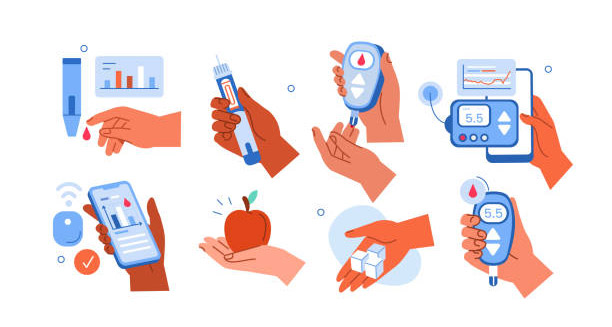
For people with diabetes, preventing hypoglycaemia means balancing medication, food, and activity. Modern tools like continuous glucose monitors (CGMs), flash glucose systems, and insulin pumps help track sugar in real time. Even with technology, education is vital. People must know the signs, carry quick sugar sources, and adjust medicine when needed.
Outside diabetes, low blood sugar is less common but can signal serious illness like an insulin-producing tumour (insulinoma), liver failure, adrenal problems, or infection. In newborns and infants, it is common due to immature liver function and high energy needs. Quick treatment is needed to avoid harm to brain development.
Public Awareness and Safety
Public knowledge of low blood sugar is still low compared to high blood sugar. Yet the risks are just as serious. At work, on the road, or at home, an episode can cause confusion, poor judgement, or collapse. This can endanger both the person and others. Teachers, coaches, caregivers, and employers should know the signs and act fast.
Final Thoughts on the Overview of Low Blood Sugar
Low blood sugar is a serious condition that can limit daily life, lower quality of life, and threaten life if ignored. With good education, quick recognition, and the right care, most people can keep stable blood sugar and avoid severe events. As both a warning sign and a diagnosis, hypoglycaemia needs careful attention in all healthcare settings.