
Overview of Lung Cancer
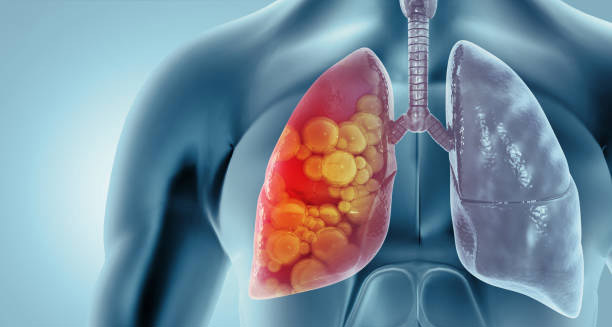
Lung cancer is one of the most prevalent and deadly forms of cancer worldwide, affecting both men and women across a wide range of age groups. It occurs when abnormal cells in the lung grow uncontrollably, forming a tumour that can interfere with normal lung function and potentially spread to other parts of the body. The overview of lung cancer involves understanding its types, risk factors, global impact, and the urgent need for early detection and treatment to improve outcomes and survival rates.
Types and Risk Factors
There are two main types of lung cancer, and each one behaves differently. The first is non-small cell lung cancer (NSCLC). It makes up about 85% of all lung disease cases. NSCLC includes adenocarcinoma, squamous cell carcinoma, and large cell carcinoma. These cancers usually grow and spread more slowly.
The second type is small cell lung cancer (SCLC). This kind spreads quickly and often reaches other parts of the body early. SCLC accounts for about 10–15% of cases and is almost always caused by smoking.
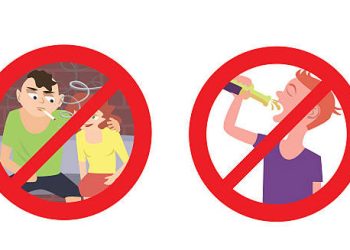
One major concern in the overview of lung cancer is how strongly it’s linked to smoking. Smoking remains the top cause, responsible for around 80–90% of all lung cancer cases. But people who don’t smoke can still get lung disease . Breathing in radon gas, polluted air, second-hand smoke, or harmful chemicals at work—like asbestos or diesel fumes—can also raise the risk. Sometimes, people with a family history or certain gene changes also develop the disease, especially if they’re young or never smoked.
Why Early Detection Matters
Doctors often find lung cancer late because early signs are easy to miss. At first, symptoms like a long-lasting cough, mild chest pain, or shortness of breath might not seem serious. Many people think they just have a cold, asthma, or another simple illness.
This delay in diagnosis often leads to worse outcomes. Lung disease continues to be the top cause of cancer death worldwide. According to the World Health Organization (WHO), it causes nearly 1.8 million deaths every year.
Fortunately, things are starting to improve. Newer tools, like low-dose CT scans, help doctors find lung cancer earlier—especially in people at high risk. Treatment options have also advanced. Now, doctors can offer therapies that target specific cancer traits or boost the immune system. These approaches give more people a chance at better results, even after diagnosis.
The Broader Impact of Lung Cancer
The overview of lung cancer also includes the toll it takes on families, patients, and health systems. Treating lung cancer often takes a long time and involves many steps. People may need surgery, radiation, chemotherapy, or a mix of these. This treatment can be expensive and hard on the body.
Patients often feel stressed, tired, or down. Many find it hard to keep up with work or normal life. This emotional and mental strain adds to the physical burden of the disease.
To fight lung cancer, many countries and groups focus on public health. They push for people to quit smoking, screen high-risk groups early, and raise awareness about harmful air and work environments. Many governments also make rules to clean indoor air, require warnings on tobacco, and support quit-smoking programs.
Researchers continue looking for better treatments and ways to spot cancer sooner. Some even study how daily habits—like food choices or exercise—might affect risk.
Stigma, Metastasis, and Rare Cases
Stigma creates another problem for people with lung cancer. Some believe the illness is the patient’s fault, especially if they used to smoke. This mindset can lead to less support, lower funding, and even loneliness. But lung disease can affect anyone, even non-smokers. Everyone deserves kindness and proper care.
In some cases, cancer starts in another part of the body and spreads to the lungs. This is called metastatic lung cancer. It makes diagnosis and treatment more complex, especially if the person already had another kind of cancer, like breast or kidney cancer.
In children and teens, lung cancer is very rare. But when it does happen, it often grows quickly. These cases usually come from genetic issues or birth defects. Kids with lung disease need care from doctors who specialise in treating young patients.
Moving Forward with the Overview of Lung Cancer
To sum up, the overview of lung cancer shows how serious and wide-reaching this disease is. It covers everything from causes and symptoms to how it affects society and health care. Lung disease continues to be a major health issue around the world.
However, early detection and better treatments are making a difference. Survival rates are slowly rising. When people know the signs, get screened early, and have access to care, they have a better chance at surviving.
By learning more about lung cancer and taking steps to lower risk, we can save lives. Raising awareness and supporting research will help more people live longer, healthier lives.