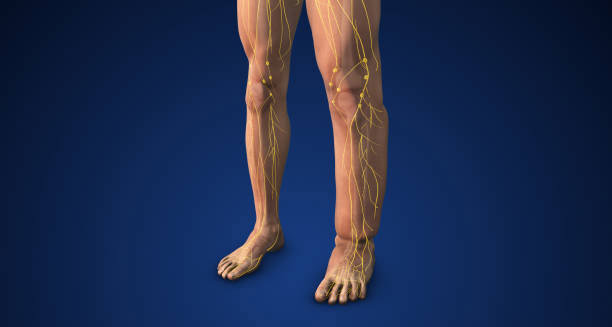

Overview of Lymphoedema
Lymphoedema is a long-term condition where lymphatic fluid builds up in body tissues, causing swelling. It most commonly affects the arms or legs but can also occur in other areas like the chest, abdomen, or face. This happens when the lymphatic system — which supports both the immune and circulatory systems — cannot properly drain lymph fluid.
Lymph is a clear fluid that carries white blood cells, proteins, and waste. When it can’t flow freely, the excess fluid remains trapped, leading to inflammation and swelling.
Types of Lymphoedema
There are two main types of lymphoedema:
- Primary: is caused by congenital or inherited problems in the development of the lymphatic system.
- Secondary: occurs when the lymphatic system is damaged or blocked by surgery, cancer, radiation therapy, trauma, or infection.
Both types result in similar symptoms and complications, but the underlying cause determines treatment and management strategies.
Why Early Diagnosis Matters
Lymphoedema is a progressive condition. If left untreated, it can lead to worsening swelling, skin infections, thickened tissues (fibrosis), and reduced movement. Early diagnosis and consistent care can prevent these complications and improve long-term outcomes.
Symptoms may begin slowly, starting with mild puffiness, or may appear suddenly after surgery or infection. Common signs include swelling, a heavy feeling in the limb, reduced flexibility, and frequent skin infections.
Who Is Affected
Many people develop lymphoedema after cancer treatment — particularly breast cancer patients who have had lymph nodes removed or radiated. However, lymphoedema can affect anyone, regardless of age, gender, or general health. Risk increases with obesity, poor mobility, or a history of infections.
Living With Lymphoedema
While there is currently no cure, lymphoedema can be managed effectively. Treatment focuses on reducing swelling, preventing complications, and improving quality of life. Common therapies include:
- Manual lymphatic drainage
- Compression garments
- Exercise and movement
- Skin care routines
- Healthy lifestyle habits
Patient education and support are just as important as physical care. With the right tools and knowledge, people living with lymphoedema can lead full, active lives.
Summary
This overview of lymphoedema explains the basics of a complex condition that affects fluid balance and immune function. In the next sections, we’ll look closely at the causes, symptoms, diagnostic steps, treatments, and possible complications associated with this condition.