
Overview of Malaria
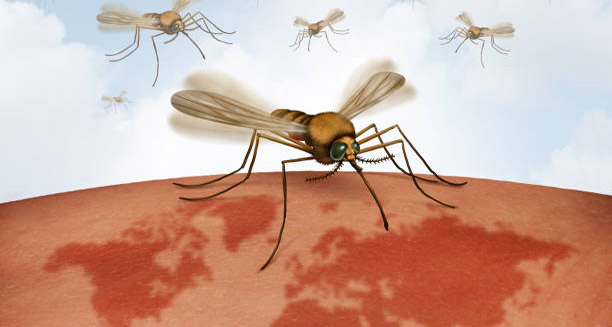
Malaria is a life-threatening parasitic disease primarily transmitted to humans through the bite of infected female Anopheles mosquitoes. It remains one of the most widespread infectious diseases in the world, affecting millions of people annually — particularly in tropical and subtropical regions.
Even though malaria is both preventable and curable, it continues to be a major global health issue. The disease is serious, can return after treatment, and may cause complications if not addressed quickly.
Malaria comes from Plasmodium parasites. Five types can infect people: P. falciparum, P. vivax, P. malariae, P. ovale, and P. knowlesi. P. falciparum is the most deadly, while P. vivax spreads more widely because it can stay hidden in the liver and reactivate later.
Global Impact of Malaria
The Overview of Malaria would be incomplete without looking at how far-reaching the disease really is. According to the World Health Organization (WHO), over 240 million malaria cases were reported in 2022. These led to about 600,000 deaths — most of them in Sub-Saharan Africa.
Children under five and pregnant women face the highest risk. Malaria also affects people in Southeast Asia, South America, and parts of the Middle East and Oceania.
The disease hits low-income, rural communities hardest. These areas often lack access to mosquito nets, health clinics, and antimalarial medicines.
How Malaria Spreads
Malaria spreads when an infected Anopheles mosquito bites a person. It injects Plasmodium parasites into the blood. These parasites go straight to the liver, where they grow and multiply. After some days, they re-enter the bloodstream, infect red blood cells, and cause illness.
The malaria parasite moves through several stages:
- Sporozoite: Injected into the blood through a mosquito bite
- Liver stage: Grows inside liver cells
- Blood stage: Bursts out of liver cells and invades red blood cells
- Gametocyte stage: The sexual form of the parasite, which another mosquito can pick up when it bites the infected person
This cycle helps explain how malaria spreads so quickly in communities without mosquito control.
Who’s Most at Risk?
In this Overview of Malaria, it’s important to highlight who is most vulnerable to the disease:
- Children under 5: Their immune systems are still developing
- Pregnant women: Malaria can harm both mother and baby
- Travellers: People visiting malaria zones without immunity face high risk
- Immunocompromised individuals: For example, those with HIV/AIDS
- People in poor or conflict-ridden areas: Often lack healthcare, prevention, and treatment
These groups need extra protection and fast access to care.
Different Types of Malaria
Not all malaria cases are the same. The form of malaria depends on the species of Plasmodium involved:
- P. falciparum: Causes the most severe disease and most deaths, mainly in Africa
- P. vivax: Common in Asia and South America, with dormant liver stages that lead to relapses
- P. malariae: Causes mild but long-lasting infections
- P. ovale: Similar to P. vivax, but rarer
- P. knowlesi: Found in Southeast Asia; spreads from monkeys to humans and moves quickly in the body
Knowing the type helps doctors choose the right treatment and monitor for relapses.
Symptoms and Diagnosis
Most malaria cases start with common symptoms like:
- High fever
- Chills and sweating
- Headache
- Tiredness
- Muscle aches
- Nausea or vomiting
In severe cases, symptoms include jaundice, seizures, or even coma. P. vivax and P. ovale usually cause fevers in 48-hour cycles. P. falciparum, on the other hand, often causes irregular or constant fevers and more serious complications.
To diagnose malaria, health workers rely on:
- Microscopy: Looking at blood under a microscope (gold standard)
- Rapid diagnostic tests (RDTs)
- PCR tests: For species confirmation in special cases
Treatment and Prevention
Doctors treat malaria based on the species, the region’s drug resistance, and how sick the patient is. Most uncomplicated P. falciparum cases respond well to artemisinin-based combination therapies (ACTs). Severe cases often require hospital care and intravenous artesunate.
Prevention remains key in this Overview of Malaria. Common strategies include:
- Sleeping under insecticide-treated bed nets (ITNs)
- Indoor spraying with insecticides
- Taking antimalarial medicine before and during travel
- Teaching communities how to avoid mosquito bites
- Using vaccines, such as the RTS,S (Mosquirix), which gives partial protection to young children
Combining these tools gives the best results in lowering malaria cases and deaths.
Summary
This Overview of Malaria shows how dangerous and widespread the disease remains. It affects millions — especially in tropical regions with limited healthcare. Plasmodium parasites, carried by mosquitoes, cause infections that range from mild to deadly.
Recognising symptoms early and starting the right treatment can save lives. Prevention through mosquito control, medicine, and vaccines helps reduce the burden. With global cooperation and better access to care, the goal of ending malaria becomes more realistic every year.