
Overview of Mastocytosis
Mastocytosis is a rare disorder marked by the abnormal accumulation of mast cells in the body’s tissues and organs. Mast cells are a type of white blood cell that plays a vital role in immune responses, particularly in allergic reactions and the body’s defence against pathogens. Under normal conditions, mast cells reside in the skin, respiratory tract, gastrointestinal tract, and around blood vessels and nerves. However, in mastocytosis, these cells proliferate excessively and infiltrate areas they typically don’t inhabit in such large numbers, leading to a wide range of symptoms and complications.
Types and Forms of Mastocytosis
This condition belongs to a group of illnesses known as mast cell disorders. Doctors divide mastocytosis into two main types. First is cutaneous mastocytosis, which affects only the skin. Second is systemic mastocytosis, which involves internal organs like the liver, spleen, bone marrow, and digestive system.
Systemic mastocytosis has different levels of severity. It can be mild (called indolent), or much more serious. One rare and life-threatening type is mast cell leukemia.
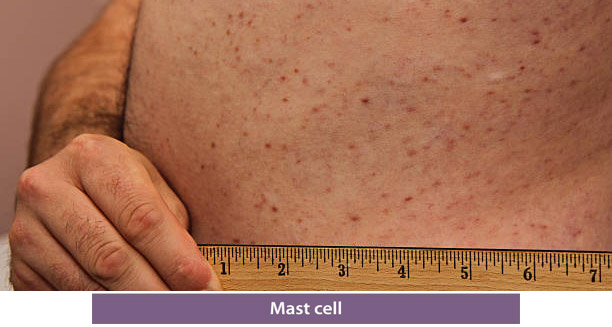
Cutaneous mastocytosis is more common in children. It often gets better or goes away as they grow older. The most usual form is urticaria pigmentosa. It causes reddish-brown spots or patches on the skin. These spots can itch or swell when touched, which is called Darier’s sign. In contrast, adults more often get systemic mastocytosis. This type tends to last a long time and may slowly get worse.
Overview of Mastocytosis Genetics and Causes
Doctors don’t fully understand what causes mastocytosis. But many patients, especially adults with systemic forms, have a specific gene change. This mutation happens in the KIT gene, which helps control mast cell growth. The change keeps the KIT receptor constantly active. This leads to out-of-control mast cell growth and buildup.
Most cases happen randomly, without a family link. However, rare familial cases have been reported. This suggests that, in some people, genes may play a role in raising the risk.
Common Symptoms and How They Vary
Symptoms vary a lot depending on the type and severity. Most symptoms happen when mast cells get triggered and release chemicals. Common signs include:
- Flushing
- Hives
- Itching
- Stomach pain
- Nausea
- Vomiting
- Diarrhoea
- Tiredness
- Anaphylaxis (a severe allergic reaction)
Triggers that can cause these reactions include certain foods, heat or cold, stress, medications, or insect stings. Mast cells release chemicals like histamine, heparin, and prostaglandins, which affect many systems in the body.
Systemic mastocytosis can also damage organs. For example, when mast cells build up in the bone marrow, patients may have anemia, low platelets, or low white blood cells. This increases the risk of bleeding or infection. If mast cells affect the liver or spleen, the organs may become larger and work poorly. In the gut, too much acid or inflammation can lead to ulcers, diarrhoea, and trouble absorbing nutrients.
Diagnosis and Testing in Mastocytosis
Getting a diagnosis can be hard because symptoms often look like other illnesses. These may include allergies, autoimmune conditions, or stomach problems. That’s why doctors need several tests and a full health history to make a diagnosis.
For skin forms, doctors may take a skin biopsy. To confirm systemic mastocytosis, they check serum tryptase levels, do bone marrow biopsies, and look for KIT mutations with genetic tests. Scans like ultrasound or CT can show whether organs like the liver or spleen are affected.
Treatment Options and Lifestyle Management
Treatment does not usually cure mastocytosis, but it helps control symptoms. Most care focuses on lowering mast cell activity. Common treatments include:
- Antihistamines to ease itching and flushing
- Mast cell stabilisers to reduce reactions
- Steroids for inflammation
- Epinephrine auto-injectors for emergency anaphylaxis
In more severe systemic cases, doctors may use chemotherapy, targeted treatments like midostaurin, or stem cell transplants. Avoiding known triggers is one of the most important ways patients can manage flare-ups.
Living with Mastocytosis: Long-Term Care
Life with mastocytosis can be very tough, both physically and mentally. Many patients fear unexpected symptoms, especially the risk of anaphylaxis. This can limit daily activities and affect emotional health.
That’s why ongoing support is so important. Education helps patients avoid triggers and manage their condition. Doctors usually advise people to carry emergency epinephrine and wear medical alert jewellery in case of serious reactions. Regular checkups help monitor organ function and track changes in symptoms over time.
Research and Hope for the Future
Ongoing research into mast cell behaviour and KIT gene mutations offers hope for better treatments. Scientists are learning more about how mastocytosis starts and spreads. This knowledge helps them create new drugs that may target the disease more directly and with fewer side effects.
The growing medical awareness of mast cell disorders means patients are more likely to get an early diagnosis and the right care. Even though mastocytosis is complex, many people can lead a good life with proper treatment and support.
Final Thoughts on the Overview of Mastocytosis
To sum up, mastocytosis is a rare but serious disease that causes too many mast cells to build up in the skin or other parts of the body. The symptoms can look like allergies or more severe health issues, depending on how the disease affects each person. While there’s no cure yet, many people manage symptoms well with the right care.
However, due to the chance of life-threatening problems like anaphylaxis and organ failure, patients need close follow-up and strong medical support. Thanks to ongoing research and better awareness, new treatments and better outcomes are becoming more likely.