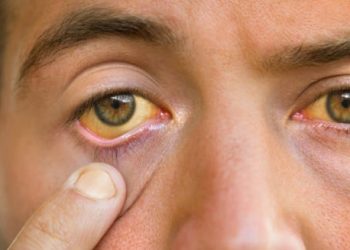

Thanks to new treatments, the outlook for hepatitis C is better than ever. What was once a lifelong and deadly illness is now curable in over 95% of cases. Today, most people can expect a full recovery if diagnosed and treated early. However, outcomes still depend on when the disease is found, whether liver damage has already occurred, and how easy it is to access proper care.
Early Infection and Natural Recovery
In the early stages, about 15% to 25% of people naturally clear the hepatitis C virus without any treatment. This is more likely in women, younger individuals, and people with strong immune systems. These people will still test positive for hepatitis C antibodies, but their blood tests will show no active virus.
For the rest, the virus becomes chronic. Without treatment, chronic hepatitis C can silently damage the liver over many years.
Chronic Hepatitis C Without Treatmen
Chronic hepatitis C affects people differently. Some may live for years with little or no liver damage. Others may slowly develop serious conditions such as:
- Liver scarring (fibrosis)
- Cirrhosis (severe scarring)
- Liver cancer
Here are some average risks:
- 20–30% develop cirrhosis after 20–30 years
- Those with cirrhosis face a 1–4% yearly risk of liver cancer
- Liver failure is a risk in late stages
Certain factors can worsen the outcome:
- Having hepatitis B or HIV at the same time
- Drinking alcohol
- Obesity or fatty liver disease
- Getting infected later in life
- Being male
- Having high levels of the virus for a long time
In many low-income areas, people may not get tested or treated until they are very sick. At that point, the chances of a full recovery are lower.
Direct-Acting Antivirals: A Game Changer
Direct-acting antivirals (DAAs) have completely changed the way hepatitis C is treated. These new medicines:
- Cure more than 95% of cases
- Are taken as pills over 8–12 weeks
- Have very few side effects
- Work for all major types of hepatitis C
- Help even people with liver damage or HIV
When the virus stays gone 12 weeks after treatment, it’s called a sustained virologic response (SVR). This is considered a cure. SVR leads to:
- Better liver health
- Lower risk of death from liver disease
- Less scarring or even reversal of some damage
- Better energy and quality of life
Even people with cirrhosis benefit from treatment, though they still need regular checkups.
After a Hepatitis C Cure
Most people who are cured of hepatitis C go on to live healthy lives. If they were treated before major liver damage, they often need no further care.
But if cirrhosis or severe scarring had already developed, risks remain. These include:
- Liver cancer
- Liver failure
- Bleeding from swollen veins (portal hypertension)
These people should get regular liver scans every six months.
Importantly, people who are cured are not immune. They can get hepatitis C again if they are exposed through:
- Injecting drug use
- Unprotected sex in high-risk groups
Education, harm reduction tools, and re-testing help prevent reinfection.
Public Health and Global Impact
Widespread treatment helps reduce the spread of hepatitis C. This is especially important in groups such as:
- People who inject drugs
- People in prison
- Men who have sex with men (MSM)
- Sex workers
Some countries—like Egypt, Georgia, and Iceland—have launched national programs that nearly wiped out hepatitis C. These efforts show that elimination is possible.
Remaining Challenges
Despite the progress, challenges remain:
- Many people, especially in poor regions, still can’t get tested or treated
- Stigma stops some from asking for help
- Treatment costs are still high in some places
- Many don’t know they have hepatitis C
Eliminating hepatitis C by 2030, as the World Health Organization hopes, will take funding, awareness, and fair access for all.
Monitoring, Reinfection, and Hepatitis A
Even after a cure, people with liver damage need regular checkups. Those who inject drugs or are part of other high-risk groups must take steps to avoid reinfection.
Getting vaccinated against Hepatitis A is also important for people with chronic liver disease. Coinfection with Hepatitis A can worsen liver function and raise the risk of failure.
Hepatitis A vaccination is especially important for:
- People with hepatitis C or cirrhosis
- People who travel to high-risk areas
- Men who have sex with men
- People experiencing homelessness
This simple step adds another layer of protection to long-term liver health.
Summary
The future for people with hepatitis C is brighter than ever. Most can expect a full cure, better energy, and a normal life. However, those with liver damage need follow-up care. Preventing reinfection and protecting against Hepatitis A are also vital steps.
With the right tools—early testing, treatment, education, and vaccination—hepatitis C can become not just curable, but a disease of the past.