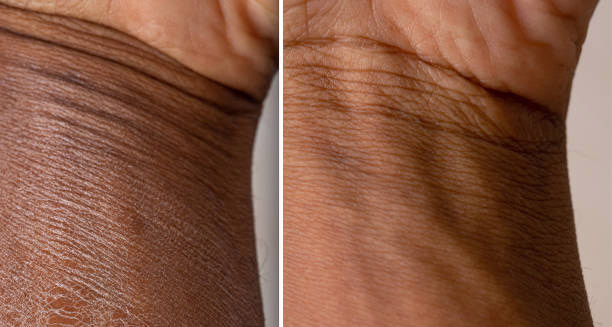

The outlook for ichthyosis varies widely depending on the specific type, severity, and presence of associated conditions.
Better Care Improves Life
While there is no cure for inherited ichthyosis, new skin care methods, early treatment, and regular routines help improve life. The key to a good outlook for ichthyosis is a proactive plan. People need long-term treatment, support, and a clear understanding of the condition.
Mild Forms Have Good Results
In mild types like ichthyosis vulgaris—the most common form—the outlook for ichthyosis is often good. Most people have dry, scaly skin on the arms, legs, and trunk, especially in cold weather. With daily moisturizers, gentle scrubs, and small lifestyle changes, symptoms improve a lot. People can live active lives with little trouble. However, daily skin care is still important to avoid pain or flare-ups.
Severe Types Need Ongoing Care
For moderate or severe inherited forms like lamellar ichthyosis, X-linked ichthyosis, or congenital ichthyosiform erythroderma, things are more complex. These appear at birth and need lifelong treatment. Some people face heat problems, widespread scaling, and frequent infections. Still, with regular care and strong medical support, many manage well. Treatments like emollients, keratolytics, and in some cases, oral retinoids can help the skin and improve overall well-being.
Syndromic Types Are More Complex
Some forms, such as Netherton syndrome or Sjögren-Larsson syndrome, affect more than the skin. They can also cause nerve issues, growth delays, or immune problems. Here, the outlook for ichthyosis depends on the whole syndrome. Patients often need help from many specialists, including skin doctors, neurologists, and therapists. The skin issues may improve, but long-term health depends on other complications.
When Ichthyosis Develops Later
Acquired ichthyosis starts later in life. It usually links to other illnesses like lymphoma, HIV, or kidney disease. In these cases, the skin problem may go away if the main illness is treated. For example, hormone therapy or HIV treatment can help improve the skin. So, the outlook for ichthyosis depends on how well doctors treat the main illness.
New Research Brings Hope
Genetic studies and new treatments give hope for better results. Trials are looking at gene therapy, RNA treatments, and advanced creams. These are still in testing, but they could bring big changes in the future. Patient groups and research teams help push this work forward and connect people to new options.
Mental Health Matters Too
The mental outlook for ichthyosis is as important as the physical one. Many people feel stress, social fear, or sadness because of their skin or daily care needs. Thankfully, awareness is growing. Support groups and mental health care make a big difference. Education and connection help people feel strong and improve their quality of life.
School and Work Are Possible
Ichthyosis rarely stops people from doing well in school or work. Kids may need help from teachers for skin care or staying cool during sports. Adults may need flexible work spaces or air conditioning. Supportive schools and employers help people succeed and feel included.
Families Shape Outcomes
Families play a key role, especially for children. Strong routines, love, and open talk with doctors help kids grow with confidence. Parent groups and counseling also give support during hard times like teenage years.
Most Cases Are Not Life-Threatening
Ichthyosis often lasts a lifetime but is not usually deadly. Rare types, like harlequin ichthyosis, need intense care, especially at birth. Even then, better baby care and skin treatments have improved survival and quality of life. Early checks and special care plans help babies move past danger and live stable lives.
Final Thoughts
The outlook for ichthyosis is more positive today than ever. There is no cure yet, but constant progress in treatment, genetic research, and mental health support means people can live full, happy lives. Whether mild or severe, inherited or acquired, strong care and good support make a big difference in outcomes.