
Overview of Inflammatory Bowel Disease
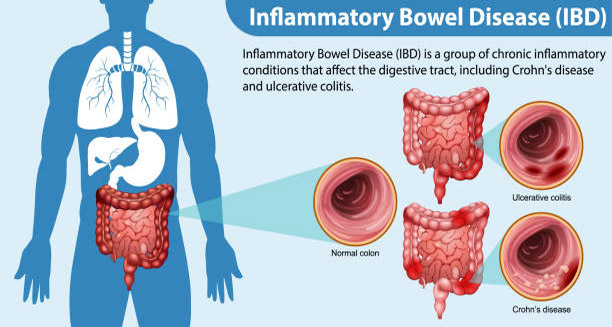
Inflammatory bowel disease (IBD) is a long-term condition marked by inflammation in the digestive tract. This ongoing inflammation affects how the gut works. It causes symptoms like belly pain, diarrhoea, tiredness, and weight loss.
The two main types of IBD are Crohn’s disease and ulcerative colitis. Both involve an overactive immune system, but they affect the gut differently. Crohn’s disease can strike any part of the digestive tract, from mouth to anus. It also goes deep into the bowel wall. In contrast, ulcerative colitis only affects the inner lining of the colon and rectum.
What Causes Inflammatory Bowel Disease?
The exact cause of IBD remains unknown. However, experts believe that a mix of genes, environmental triggers, and immune system problems leads to it.
In people with IBD, the immune system mistakenly attacks the gut. It treats harmless things like food and friendly bacteria as threats. This results in inflammation that comes and goes without warning. Because of this, people often cycle between feeling well and facing flare-ups.
Who Gets IBD?
IBD can appear at any age, but it usually starts between ages 15 and 35. It affects men and women equally. More people are getting diagnosed in developed countries. This may relate to diet, cleaner environments, or other lifestyle changes.
Family history also plays a role. If a close relative has IBD, your risk goes up. Ethnic background matters too. People of European descent are more likely to develop the disease.
Common Symptoms
Symptoms vary depending on which type of IBD a person has and how severe it is. Frequent signs include:
- Long-lasting diarrhoea
- Belly pain or cramps
- Bloating
- Rectal bleeding
- Fatigue
In severe cases, the gut cannot absorb nutrients well. This can cause weight loss, anaemia, and stunted growth in children.
IBD can also affect areas outside the gut. Some people develop joint pain, skin problems, or inflamed eyes. These extra signs show that IBD is not just a gut problem—it can affect the whole body.
How Doctors Diagnose It
Doctors use several tools to diagnose IBD. They start with medical history and a physical check-up. Then they may order tests, such as:
- Blood tests (to look for anaemia or inflammation)
- Stool tests (to rule out infections or check for gut inflammation)
- Endoscopy or colonoscopy (to view and take samples from the intestines)
- Imaging scans like MRI or CT (to check deeper parts of the gut)
Colonoscopy with biopsy is often the key test. It helps confirm the diagnosis and shows how much of the bowel is inflamed.
Treatment Options
Managing IBD requires a mix of treatments. These aim to reduce inflammation, ease symptoms, and avoid future problems.
Medicines are the first step. They include:
- Anti-inflammatory drugs (like aminosalicylates and steroids)
- Immune system blockers
- Biologics that target specific immune pathways
If drugs don’t work or cause side effects, surgery might be needed. Surgery removes damaged sections of the bowel and can bring long-term relief.
Living with the Disease
Daily life with IBD goes beyond medicine. Diet, stress, and emotional health all matter.
People with IBD should eat foods that are gentle on the gut. A dietitian can help create a meal plan that maintains good nutrition.
Mental health is just as important. The stress and unpredictability of the disease can lead to anxiety or depression. Support groups, therapy, and working closely with a care team can make a big difference.
Progress in Research
Research into IBD is moving fast. Scientists are studying gut bacteria, the immune system, and genes to better understand the disease. These efforts may lead to more tailored and effective treatments in the future.
Awareness is also growing. More people now get diagnosed earlier and receive better care.
Summary of the Overview of Inflammatory Bowel Disease
This overview of inflammatory bowel disease highlights how it affects many parts of life. Understanding its symptoms, causes, and treatments helps patients and families take control of the condition. In the next sections, we will explore each of these topics in more detail.