
Prevention of Heatstroke
The prevention of heatstroke is both possible and essential. Particularly as global temperatures rise and heatwaves become more frequent and intense. Since heatstroke is largely avoidable with the right knowledge and planning. Taking proactive steps to minimise exposure to extreme heat can save lives. The prevention of heatstroke centres on hydration, acclimatisation, clothing choices, activity scheduling, and public awareness, especially among vulnerable populations and those who work or exercise in hot conditions.
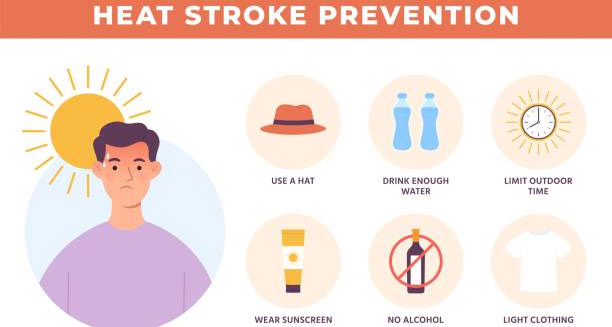
At the heart of prevention is adequate hydration. The body relies on the evaporation of sweat to cool itself, and this process depletes water and electrolytes. Without replenishment, core temperature can rise quickly, especially during exertion or heat exposure. To stay hydrated, individuals should drink water regularly throughout the day, not just when they feel thirsty. In high-heat or high-exertion settings, electrolyte-rich fluids. Such as sports drinks or oral rehydration solutions—are often more effective than water alone, as they help maintain sodium and potassium levels lost through sweat.
Another cornerstone of prevention is acclimatisation—the process by which the body gradually adapts to heat over time. This is especially important for athletes, military personnel, and outdoor workers who must exert themselves in hot environments. Acclimatisation typically takes 7 to 14 days and involves gradually increasing intensity and duration of heat exposure. During this period, the body becomes more efficient at cooling itself, with improved sweating response and cardiovascular stability. Skipping acclimatisation greatly increases the risk of heatstroke. Especially after returning from a cooler climate or starting a new physically demanding routine.
Prevention of Heatstroke
Clothing choices play a major role in thermoregulation. Light-coloured, loose-fitting, breathable clothing helps reflect heat and allows sweat to evaporate, whereas dark, tight, or non-breathable fabrics trap heat and reduce cooling. Hats with wide brims and UV-blocking sunglasses offer additional protection. In occupational settings where protective clothing is required. Employers must schedule more frequent rest and hydration breaks to compensate for reduced heat dissipation.
Avoiding the hottest parts of the day is a simple yet powerful method of reducing heat risk. Outdoor activities—whether recreational or work-related—should be scheduled for early morning or late afternoon when temperatures are cooler. Between 11 a.m. and 4 p.m., the sun is at its peak, and the risk of heatstroke is significantly higher. Planning ahead, checking weather forecasts, and adapting schedules around heat alerts are effective strategies to stay safe.
Access to shade and cooling areas is vital in both outdoor and indoor environments. Whether it’s a shaded rest area on a construction site or a public air-conditioned space during a heatwave. Having places where people can cool down helps interrupt the progression toward heat exhaustion and heatstroke. Communities should invest in heat shelters during the summer months, particularly in urban areas with dense populations and limited green space.
In situations where air conditioning is not available, passive cooling techniques can be lifesaving. These include:
Using fans to promote airflow
Taking cool showers or baths
Soaking feet or hands in cold water
Applying wet towels to the neck and forehead
Keeping curtains drawn during peak heat to block sunlight
Sleeping on lower floors where it tends to be cooler
Monitoring vulnerable individuals is one of the most critical aspects of heatstroke prevention. Older adults, infants, people with disabilities, and those with chronic medical conditions are often less able to regulate their body temperature or communicate symptoms. During heatwaves, family members, caregivers, and community health workers should check on at-risk individuals multiple times a day, ensuring they are hydrated, cool, and not exposed to high temperatures.
Prevention of Heatstroke
Medication awareness is important for people on certain prescriptions. Drugs that affect fluid balance, heart rate, sweating, or cognition can all increase susceptibility to heatstroke. These include diuretics, beta-blockers, anticholinergics, antidepressants, and sedatives. Patients should speak to their healthcare providers about heat-related precautions, particularly in the summer months or before travelling to hot climates.
In athletic and occupational environments, formal heat safety protocols should be in place. Employers and coaches must educate workers and athletes about the signs of heat stress and the importance of hydration and rest. Scheduled breaks, access to shade and fluids, buddy systems, and emergency response plans should be standard practice. In some settings, wearable technology—such as temperature sensors or hydration monitors—can provide real-time feedback to alert users of rising heat strain before symptoms occur.
Public awareness campaigns are essential to promote behaviour change and reduce the incidence of heatstroke on a societal level. Messaging should include the importance of hydration, recognising warning signs like dizziness and confusion, understanding when to seek help, and knowing how to care for others in a heat emergency. Governments and health organisations should provide targeted information during heatwaves, with specific guidance for schools, care homes, and workplaces.
Children and pets should never be left in parked cars, even for a few minutes. Interior temperatures can climb rapidly, reaching lethal levels within 10–15 minutes. Tragically, paediatric vehicular heatstroke remains a leading cause of non-crash vehicle-related deaths in many countries. Parents and caregivers should develop habits like “look before you lock” and keep car doors locked when not in use to prevent children from entering unsupervised.
Prevention of Heatstroke
Maintaining physical conditioning and overall health can also improve heat resilience. Individuals with better cardiovascular fitness and a healthy weight tend to tolerate heat better, as their bodies are more efficient at distributing blood flow and dissipating heat. However, even fit individuals are not immune to heatstroke, especially in extreme conditions or if hydration is neglected.
Education from an early age is another vital tool. Teaching children the importance of drinking water, wearing appropriate clothing, and recognising when they feel too hot helps foster lifelong habits that reduce heat risk. Schools should implement heat policies that adjust play and sports schedules during warm periods and ensure adequate hydration during the school day.
Finally, in a broader environmental context, urban planning and climate adaptation strategies play an essential role in reducing community-wide heatstroke risk. This includes increasing green spaces, planting trees, using reflective building materials, and ensuring access to safe drinking water. As climate change continues to drive higher temperatures, building heat-resilient communities will be key to protecting public health.
In conclusion, the prevention of heatstroke depends on a combination of personal vigilance, community planning, environmental adaptation, and public education. By staying hydrated, dressing appropriately, avoiding peak heat hours, and caring for vulnerable individuals, the risk of heatstroke can be greatly reduced—even in extreme weather. Prevention is not only possible—it is the most effective intervention we have.