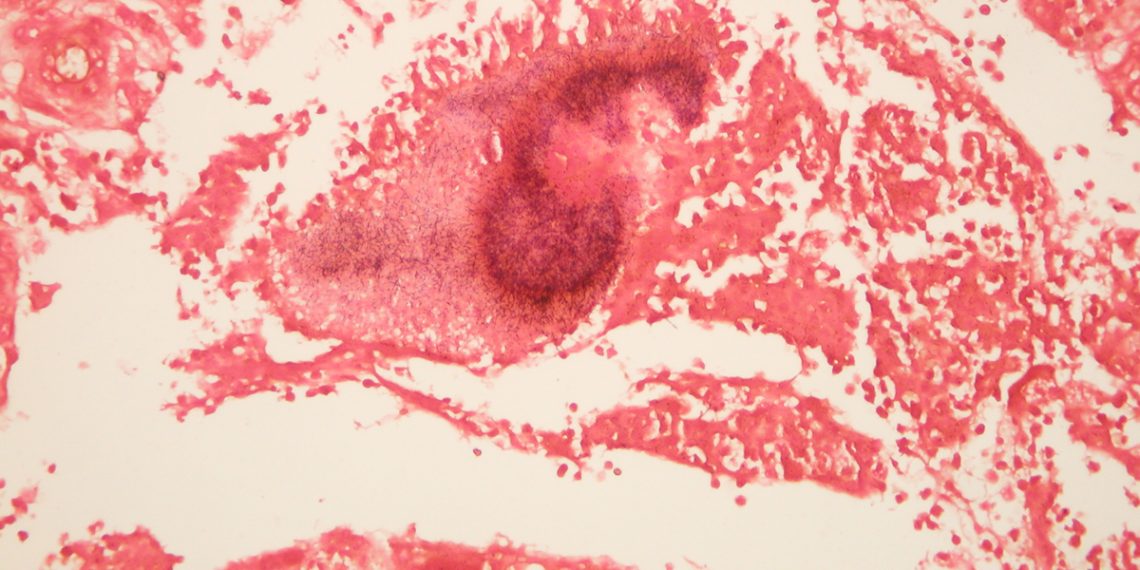

Symptoms and Types of Actinomycosis
Actinomycosis is a chronic, slowly progressive infection caused by Actinomyces bacteria, Symptoms and Types of Actinomycosis — normally harmless organisms found in the mouth, throat, and gastrointestinal tract. These bacteria invade deeper tissues after trauma, dental procedures, or poor hygiene and trigger serious infections that affect different parts of the body. The infection forms hard, painful lumps that develop into abscesses and drain pus through abnormal sinus tracts in the skin.
Actinomycosis progresses gradually, often over several weeks or even months. This slow development makes it difficult to diagnose, as it mimics other more common conditions. In South Africa, it is frequently mistaken for tuberculosis or even cancer, particularly in rural areas where diagnostic tools may be limited.
Most Common Type of Actinomycosis
The most common form is cervicofacial actinomycosis, also known as “lumpy jaw.” It typically occurs following dental infections, extractions, or facial trauma. Patients often present with swelling along the jaw or neck, firm masses under the skin, and draining abscesses that release yellowish pus containing characteristic “sulphur granules.” These painful lumps can make chewing or swallowing difficult and are often misdiagnosed as dental abscesses or oral cancers.
Thoracic actinomycosis affects the lungs and chest cavity. It may begin with vague symptoms such as a persistent cough, mild fever, or chest discomfort, which worsen over time. In advanced cases, pus may erode through the chest wall, forming draining sinus tracts. Doctors frequently confuse this form with pulmonary tuberculosis or lung cancer because it shares similar symptoms and imaging results — both of which are major health concerns in Southern Africa.
Abdominal and pelvic actinomycosis can result in fever, bloating, and persistent abdominal pain. It may create masses or abscesses that drain through the abdominal wall. Women who use intrauterine devices (IUDs) long-term often develop this type. The symptoms closely resemble ovarian or colon cancers, which can prompt doctors to perform unnecessary surgery when they don’t consider actinomycosis.
Rarely, other forms may involve the brain or skin, typically after trauma. Brain abscesses cause headaches and neurological symptoms, while skin infections may follow open wounds.
Because actinomycosis mimics other diseases, awareness of its types and symptoms remains vital — especially in high-risk areas like South Africa.
🔹 Next → [Diagnosis and Treatment of Actinomycosis]
Vital Touch Therapy Centre Irene Centurion