
Symptoms of Bullous Pemphigoid
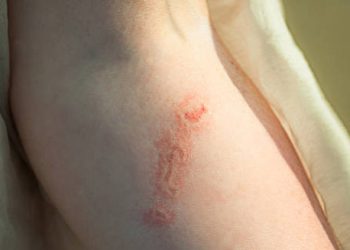
Symptoms of bullous pemphigoid often begin subtly before progressing to widespread blistering. The most common symptoms of bullous pemphigoid include intense itching, red or raised skin, and large, fluid-filled blisters that typically do not rupture easily.
In many patients, the disease starts with itching and redness, sometimes mistaken for eczema or hives. This phase may last for days or even weeks before any visible blisters appear. The skin may feel sore or tight, and small urticarial (hive-like) patches may develop.
Blisters then form on the affected areas. These are usually 1–5 cm in diameter, tense (due to being deep within the skin), and filled with clear or sometimes blood-tinged fluid. Unlike blisters in other skin conditions, bullous pemphigoid blisters tend to remain intact for longer and rupture less easily.
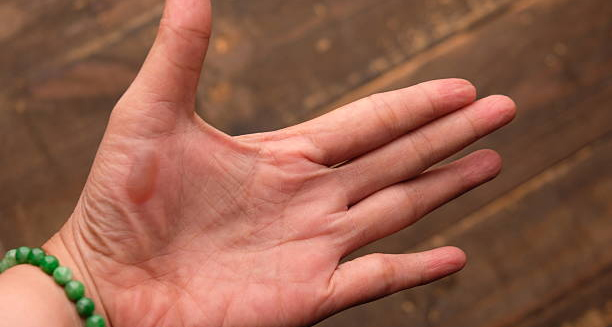
The most common sites include the lower abdomen, groin, inner thighs, armpits, and flexural surfaces like the elbows and knees. In some cases, the blisters may be widespread, covering the trunk and limbs. The palms and soles can also be involved, and the affected skin may become thickened or crusted over time.
Itching is often intense and persistent, causing considerable discomfort. In people with fragile skin, scratching may lead to skin tears or secondary bacterial infections.
Symptoms of Bullous Pemphigoid
In rarer cases, the mucous membranes (inside the mouth, nose, or genitals) may be affected, leading to painful ulcers or erosions. However, this is less common in bullous pemphigoid than in similar disorders such as mucous membrane pemphigoid.
People with severe or prolonged disease may also experience fatigue, weight loss, or low mood due to chronic discomfort and disrupted sleep.
Because the appearance of symptoms of bullous pemphigoid can vary, especially in the early stages, a skin biopsy and blood tests are often required to confirm the diagnosis and differentiate it from other blistering diseases.
[Next: Diagnosis of Bullous Pemphigoid →]