
Symptoms of Charcot-Marie-Tooth Disease
Symptoms of Charcot-Marie-Tooth disease develop gradually and vary widely depending on the subtype and severity. Most people with Charcot-Marie-Tooth disease begin to notice problems in their feet and lower legs, with symptoms slowly progressing over time.
1. Muscle Weakness
One of the earliest and most common symptoms is muscle weakness in the feet and ankles. This may cause:
- Difficulty lifting the foot (foot drop)
- Frequent tripping or stumbling
- Weakness in the lower legs and calves
- Trouble with balance or climbing stairs
As the condition progresses, muscles in the hands and forearms may also become weak, making fine motor tasks like writing, buttoning clothes, or gripping objects more difficult.
2. Foot Deformities
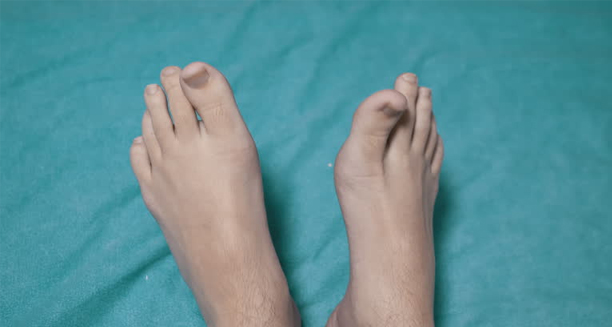
Due to muscle imbalance, many people develop foot deformities such as:
- High arches (pes cavus)
- Hammertoes
- Flat feet in some cases
These deformities can cause pain and make walking more challenging, often requiring orthotic support or surgery.
3. Loss of Sensation
CMT affects sensory nerves as well as motor nerves. Symptoms may include:
- Numbness or reduced ability to feel heat, cold, or pain
- Tingling or burning sensations in the feet or hands
- Poor proprioception (awareness of limb position)
This loss of sensation may contribute to unsteady gait and difficulty with coordinated movement.
4. Gait Changes
As muscles weaken and foot deformities worsen, people often develop a distinctive high-stepping gait. They may also walk with a widened stance to maintain balance.
5. Hand and Arm Symptoms
In more advanced cases or in subtypes that affect the upper limbs early, people may experience:
- Hand weakness
- Wasting of hand muscles
- Difficulty with typing, writing, or lifting small objects
6. Fatigue and Cramps
Muscle fatigue, cramping, and pain — especially after activity — are common in individuals with CMT. These symptoms often worsen with age and as muscle weakness progresses.
The symptoms of Charcot-Marie-Tooth disease typically worsen slowly over time, but many people remain active and independent with proper support and treatment.
[Next: Diagnosis of Charcot-Marie-Tooth Disease →]