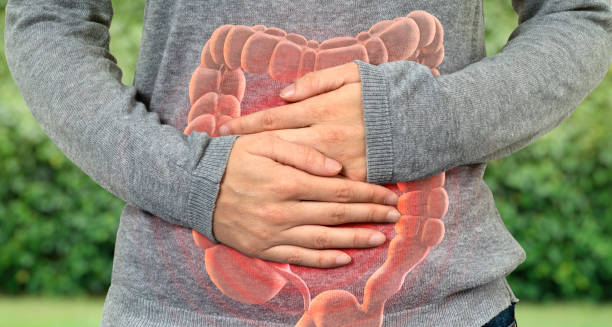

Symptoms of Crohn’s Disease
Symptoms of Crohn’s disease vary greatly between individuals, depending on which part of the gastrointestinal tract is affected and how severe the inflammation is. Crohn’s disease is characterised by unpredictable flare-ups and periods of remission, which makes symptom management a central focus of care.
Digestive Symptoms
The most common symptoms include:
Chronic diarrhoea: Often watery or loose, sometimes with mucus or blood
Abdominal pain and cramping: Frequently located in the lower right side of the abdomen
Urgency to defecate: A sudden and compelling need to use the toilet
Rectal bleeding: Caused by inflammation or small tears in the lining of the bowel
Weight loss and reduced appetite: Due to malabsorption of nutrients or loss of interest in food during flare-ups
Nausea and vomiting: Particularly when inflammation affects the upper gastrointestinal tract
Systemic Symptoms | Symptoms of Crohn’s Disease
In addition to gastrointestinal symptoms, it can cause:
Fatigue and weakness
Fever during active flare-ups
Anaemia due to blood loss or poor nutrient absorption
Mouth ulcers
Joint pain or swelling (enteropathic arthritis)
Symptoms in Children
In children, Crohn’s disease may also result in:
Delayed growth or puberty
Poor weight gain
General irritability or discomfort
Fluctuating Nature
Symptoms often appear gradually and may be mistaken for other conditions like irritable bowel syndrome (IBS) or food intolerance. Flare-ups may be triggered by stress, certain foods, infections, or stopping medication.
In summary, symptoms of Crohn’s disease can range from mild to severe and may affect many areas beyond the digestive system. Recognising the signs early allows for quicker diagnosis and better symptom control.
[Next: Diagnosis of Crohn’s Disease →]