
Symptoms of Cushing’s Syndrome
Symptoms of Cushing’s syndrome can affect nearly every part of the body, making it a particularly difficult condition to diagnose. The impact of excess cortisol extends to physical appearance, emotional well-being, and internal organ function. While this syndrome progresses gradually, the symptoms become increasingly obvious and disruptive over time.
Physical Changes
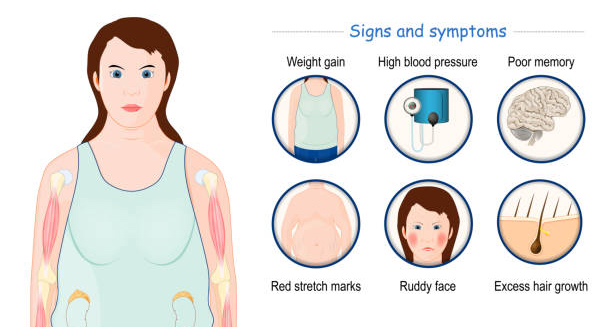
Weight gain, particularly around the face (creating a “moon face”), upper back (“buffalo hump”), and abdomen, with slender arms and legs
Purple stretch marks (striae) on the abdomen, thighs, breasts, or arms
Facial redness
Thinning skin that bruises easily
Slow wound healing
Muscle and Bone Effects
Muscle weakness, especially in the upper arms and thighs
Osteoporosis, increasing the risk of fractures
Back and joint pain
Skin and Hair Changes
Excessive body or facial hair in women (hirsutism)
Acne and oily skin
Balding or thinning scalp hair
Reproductive and Endocrine Symptoms
Menstrual irregularities or missed periods in women
Reduced libido
Erectile dysfunction in men
Infertility in both sexes
Emotional and Cognitive Effects
Depression, anxiety, or mood swings
Poor concentration and memory loss
Sleep disturbances or insomnia
Metabolic Symptoms
High blood pressure
Elevated blood glucose levels
Increased risk of type 2 diabetes
In Children | Symptoms of Cushing’s Syndrome
Slowed growth
Obesity, especially around the midsection
In summary, symptoms of Cushing’s syndrome are broad and often mimic other health issues. Early recognition and medical evaluation are vital to prevent irreversible complications and restore hormonal balance.
[Next: Diagnosis of Cushing’s Syndrome →]