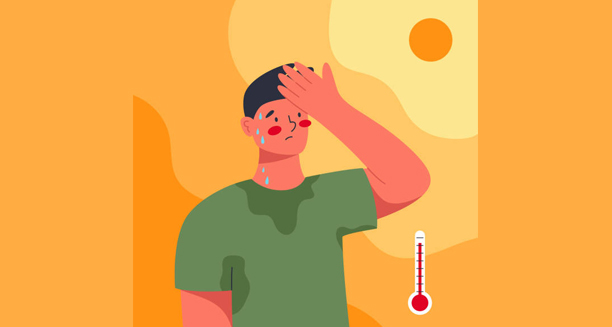

Symptoms of Dehydration
Symptoms of dehydration vary depending on its severity and the individual affected. In mild to moderate cases, dehydration may present with general discomfort and subtle signs, while severe dehydration can be life-threatening and requires immediate medical attention.
Mild to Moderate Symptoms
These are often the earliest signs and are easily reversed with prompt fluid intake:
Dry mouth and throat
Increased thirst
Reduced urine output or dark yellow urine
Headache or light-headedness
Fatigue and weakness
Dry or cool skin
Muscle cramps, especially during exercise
Children may exhibit:
Dry nappies for longer than usual
Irritability or lethargy
Sunken eyes or soft spots on the head (fontanelles)
Lack of tears when crying
Severe Symptoms | Symptoms of Dehydration
As dehydration progresses, more serious symptoms may develop:
Rapid heartbeat and low blood pressure
Confusion, dizziness, or fainting
Sunken eyes, dry and shrivelled skin
Lack of sweating even in heat
Rapid breathing
Loss of consciousness
Severe dehydration is a medical emergency and requires immediate attention, particularly in young children, the elderly, or people with underlying health issues.
Symptoms in Older Adults
Older people may not display typical symptoms due to:
A blunted sense of thirst
Pre-existing cognitive issues, such as dementia
Use of medications that affect fluid balance
Signs may include:
Sudden confusion or disorientation
Falls or loss of balance
Constipation or urinary tract infections
Chronic Dehydration
In some cases, dehydration may persist at a low level over time, contributing to:
Ongoing fatigue
Constipation
Poor concentration
Frequent headaches
In summary, symptoms of dehydration range from mild thirst to life-threatening complications. Recognising the signs early allows for quick and effective treatment, reducing the risk of serious health consequences.
[Next: Diagnosis of Dehydration →]

