Mental Matters

Mental Matters

  • Health & Wellness
  • Mental Health
  • Live Better
  • Directory
  • Articles & Guides
  • Advertise
  • Blog
  • Fields
  • Health & Wellness
  • Mental Health
  • Live Better
  • Directory
  • Articles & Guides
  • Advertise
  • Blog
  • Fields
  • Health & Wellness
  • Mental Health
  • Live Better
  • Directory
  • Articles & Guides
  • Advertise
  • Blog
  • Fields
  • Health & Wellness
  • Mental Health
  • Live Better
  • Directory
  • Articles & Guides
  • Advertise
  • Blog
  • Fields

Symptoms of DiGeorge Syndrome

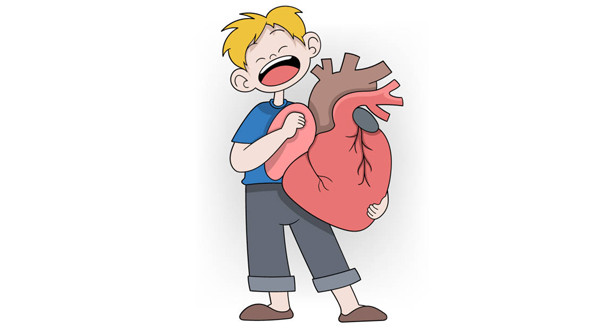
Cartoon child holding a large heart symbolising congenital heart defect

Children with DiGeorge syndrome often have congenital heart defects, a common early symptom of the condition.

Symptoms of DiGeorge Syndrome

The symptoms of DiGeorge syndrome vary widely from one individual to another. Some children show clear signs shortly after birth, while others may not be diagnosed until much later. The severity also ranges from mild to life-threatening, depending on which systems are affected.

One of the most common features of DiGeorge syndrome is congenital heart defects. These may include interrupted aortic arch, ventricular septal defects (holes in the heart), or tetralogy of Fallot. These conditions can cause blue-tinged skin (cyanosis), difficulty breathing, and poor feeding in newborns. Surgery is often needed to correct heart problems.

Another key feature is a poorly developed or absent thymus gland. The thymus plays a crucial role in the immune system. When it is underdeveloped, children are more prone to infections. Some may have frequent ear infections, pneumonia, or other serious illnesses. In rare cases, the immune deficiency can be severe and require lifelong monitoring.

Low levels of calcium in the blood, caused by underdeveloped parathyroid glands, can also occur. This can lead to muscle cramps, seizures, and tingling sensations. These symptoms often appear in infancy and can be managed with calcium and vitamin D supplements.

Distinct facial features are common. These may include a long face, small jaw, wide-set eyes, hooded eyelids, and low-set ears. However, these features can be subtle and easily missed, particularly in populations with diverse ethnic backgrounds, like South Africa.

Symptoms of DiGeorge Syndrome

Children with DiGeorge syndrome may also have feeding difficulties, speech delays, and nasal-sounding speech due to cleft palate or other structural issues. Behavioural and learning challenges are also common, including ADHD, anxiety, and developmental delays. Many affected children benefit from early intervention therapies such as occupational, speech, and educational support.

Because symptoms affect many different body systems, a coordinated, multidisciplinary approach is essential. Monitoring and regular check-ups can help manage symptoms as the child grows. Though it may seem overwhelming, early support helps children with DiGeorge syndrome reach their full potential.

[Next: Diagnosis of DiGeorge Syndrome →]
Congenital Heart Disease
Complications and Recovery from Congenital Heart Disease
Causes of Congenital Heart Disease
Treatment of Congenital Heart Disease
We Put 10 Mental Health Apps to the Test

Related Posts

Causes of Metabolic Syndrome
Health Conditions

Causes of Metabolic Syndrome

October 20, 2025

Causes of Metabolic Syndrome Causes of Metabolic Syndrome are rooted in a...

Doctor with red HIV awareness ribbon holding a patient's hand
Health Conditions

HIV – Overview

July 25, 2025

HIV (Human Immunodeficiency Virus) is a chronic viral infection that attacks the...

Mental Matters

Facebook Instagram

Your Weekly Dose of Mental Health Support
– Straight to Your Inbox

  • Your journey to better mental health starts here—with expert insights and helpful resources delivered weekly.


© 2025 Mental Matters. All rights reserved. The content on this website is intended for informational purposes only and does not constitute medical advice, diagnosis, or treatment. Please consult a qualified health professional for any medical concerns.

Quick Links

  • Directory

  • Advertise

  • Conditions

  • Real Talk

  • Eating Disorders

  • Depressed

  • Autism

  • Community

  • Resources

About

  • Get In Touch

  • Home

  • Privacy Policy

  • Suicide Prevention Support

  • Terms & Conditions

© 2025 Mental Matters. All rights reserved.

No Result
View All Result
  • Health & Wellness
  • Mental Health
  • Live Better
  • Directory
  • Articles & Guides
  • Advertise
  • Blog
  • Fields

© MENTAL MATTERS 2024