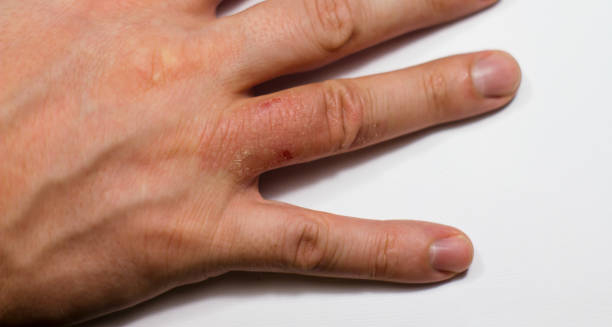

Symptoms of Discoid Eczema
The symptoms of discoid eczema are usually easy to identify due to the distinctive round or oval-shaped patches that form on the skin. These lesions often start as small red spots or bumps that gradually enlarge and merge into larger discs. The affected areas become inflamed, scaly, itchy, and sometimes blistered or cracked. In some cases, the skin may ooze fluid, crust over, and later become thickened or discoloured.
Early symptoms of discoid eczema include intense itchiness and irritation, which can quickly lead to scratching and skin damage. The round patches often have a well-defined border and may appear pink, red, or brown, depending on the individual’s skin tone. In lighter skin, the redness is more pronounced, while in darker skin, patches may look grey, dark brown, or purplish.
Lesions can appear anywhere on the body, but they are most commonly found on the arms, legs, hands, and torso. The face and scalp are rarely affected. The symptoms of discoid eczema tend to appear symmetrically, often affecting both arms or both legs at the same time. Without treatment, the patches may last for weeks or even months and often recur in the same spots.
Infected eczema is a serious concern. When bacteria enter the broken skin caused by scratching, additional symptoms develop. These include yellow crusting, swelling, warmth, and increased pain. Fever or feeling generally unwell may follow, indicating a systemic infection. In such cases, prompt medical attention is necessary, and antibiotics may be required.
The symptoms of discoid eczema can significantly impact quality of life. Constant itchiness disrupts sleep, while visible patches may lead to embarrassment or social anxiety. This emotional toll can further worsen the condition, creating a cycle of stress and flare-ups.
Symptoms of Discoid Eczema
In South Africa, hot and dry weather, particularly in the inland provinces, can aggravate symptoms due to rapid skin dehydration. In contrast, humid climates may cause excessive sweating, which can irritate the skin and worsen the itch.
Identifying symptoms of discoid eczema early is crucial. When treatment begins promptly, the risk of infection and long-term scarring is reduced. With the right skincare routine and medical guidance, many individuals manage the condition well and experience long periods without symptoms.
[Next: Diagnosis of Discoid Eczema →]