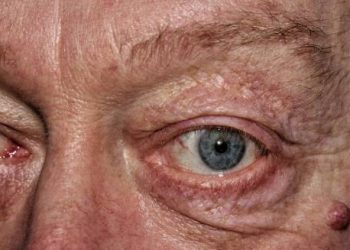

Symptoms of Down’s Syndrome
The symptoms of Down’s syndrome are wide-ranging and affect physical appearance, development, and health. Not all individuals experience every symptom, and the severity can vary greatly. Some children may face significant medical challenges, while others develop more typically with mild support. Down’s syndrome presents a recognisable pattern of features but also includes a wide spectrum of individual differences.
Common physical traits include a flat facial profile, upward-slanting eyes, small ears, a short neck, and a protruding tongue. People with Down’s syndrome often have a single crease across the palm, smaller hands and feet, and low muscle tone, which may lead to delayed motor development such as sitting, crawling, or walking.
Developmental delays are another key aspect of the condition. Most children with Down’s syndrome have mild to moderate intellectual disability. They typically learn more slowly than their peers and may face challenges with speech and language. That said, many develop effective communication skills and thrive in inclusive learning environments when given the right support.
Medical concerns vary. Around 40–60% of children with Down’s syndrome are born with congenital heart defects, which may require surgery or ongoing monitoring. Other health issues include hearing loss, vision problems, sleep apnoea, thyroid disorders, and gastrointestinal conditions. Because of this, regular health screenings and early medical intervention are essential.
Children may also experience behavioural symptoms, such as stubbornness, short attention span, or impulsiveness. However, these behaviours are often manageable and improve with structure, routine, and supportive parenting. Importantly, most individuals with Down’s syndrome display strong social skills, warmth, and emotional intelligence, making them valued members of their communities.
Symptoms of Down’s Syndrome
In South Africa, early diagnosis of Down’s syndrome is generally made at birth or soon after through physical observation, confirmed with a karyotype blood test. However, access to developmental therapists, speech-language professionals, and special education services can be uneven, especially in under-resourced areas. This means that some children may not receive the early intervention they need to maximise their potential.
Despite the challenges, children with Down’s syndrome often lead active and happy lives. With appropriate medical care, educational support, and community inclusion, they develop meaningful relationships and skills. Many adults with the condition work, live semi-independently, and participate in community life.
Recognising the symptoms of Down’s syndrome is essential for early intervention. When families and professionals understand what to expect and how to support development, children with the condition are better positioned to succeed and thrive.
[Next: Diagnosis of Down’s Syndrome →]