
Symptoms of Ehlers-Danlos Syndromes
The symptoms of Ehlers-Danlos syndromes vary widely depending on the type. However, all forms involve some level of collagen-related weakness, which leads to problems with the skin, joints, or blood vessels. Recognising the symptoms of Ehlers-Danlos syndromes early can help patients access care, avoid injury, and improve their quality of life.
Common general symptoms include:
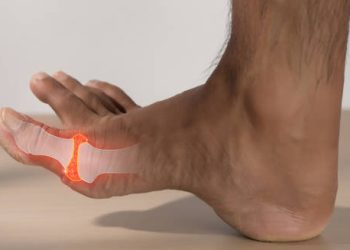
Joint hypermobility – unusually flexible joints that can bend beyond the normal range
Frequent joint dislocations or subluxations, especially in the shoulders, knees, and fingers
Chronic joint or muscle pain
Fatigue, often due to joint instability and poor sleep
Soft, stretchy, or fragile skin
Easy bruising
Poor wound healing, with thin or wide scars
In classical EDS, people often have smooth, doughy skin that stretches easily and heals poorly. Scars may appear as thin, “cigarette paper”-like marks on the knees, elbows, or forehead. Hernias and pelvic organ prolapse are also more common.
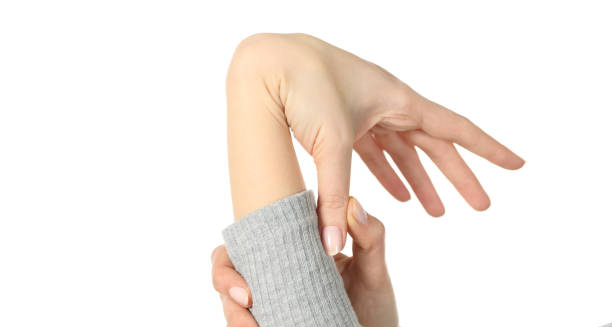
Hypermobile EDS (hEDS) symptoms are centred on joint issues. People may be able to bend their thumbs to their forearms or place their hands flat on the floor without bending their knees. Over time, this flexibility leads to pain, instability, and increased injury risk.
Vascular EDS presents with more serious internal symptoms. People with this type may have thin, translucent skin, prominent veins, and a risk of blood vessel or organ rupture. Sudden chest or abdominal pain may signal a medical emergency, requiring immediate attention.
Other symptoms seen across EDS types include:
Digestive issues such as reflux, bloating, or constipation
Gum disease or fragile teeth
Poor coordination or proprioception (awareness of body position)
Delayed wound healing and surgical complications
Symptoms of Ehlers-Danlos Syndromes
In children, signs may include frequent bruising, joint dislocations, delayed motor development, or frequent complaints of pain. Parents may notice the child is unusually flexible or struggles with balance.
In South Africa, where EDS awareness is still limited, people may be misdiagnosed with other conditions like fibromyalgia, growing pains, or even hypochondria. This can delay appropriate treatment and lead to frustration or mental health strain.
Understanding the symptoms of Ehlers-Danlos syndromes helps people advocate for themselves, seek specialist input, and receive supportive care. While the condition cannot be cured, early intervention can make a significant difference in managing its impact.
[Next: Diagnosis of Ehlers-Danlos Syndromes→]