
Symptoms of Erythromelalgia
The symptoms of erythromelalgia are distinctive and often follow a specific pattern of burning pain, redness, and warmth. Erythromelalgia mainly affects the hands and feet, but other areas such as the face, ears, or even the knees can sometimes be involved.
Key Symptoms
Burning pain – Often described as stinging, tingling, or aching
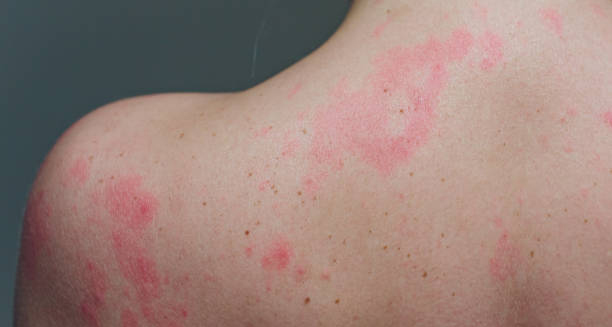
Redness (erythema) – Skin turns red or purplish, especially during an attack
Increased warmth – The affected area feels hot to the touch
Swelling – Mild to moderate swelling may occur during flares
Flare-ups triggered by heat, exertion, or emotional stress
The symptoms often occur in both hands or both feet and usually appear symmetrically. Flares may last minutes to several hours and typically resolve with cooling or elevation of the limbs.
Triggers
Common triggers include:
Warm weather or hot baths
Exercise or walking
Tight footwear or socks
Emotional stress or anxiety
Alcohol or spicy food
Patients often learn to avoid triggers, but this may lead to social withdrawal or avoidance of normal activities.
Chronic vs Episodic
Some individuals have only occasional episodes, while others experience daily or near-constant symptoms. In chronic cases, sleep disturbance, anxiety, and reduced quality of life are common. Severe forms may prevent walking or standing for long periods.
Additional Sensory Issues
In people with underlying nerve damage, symptoms may include:
Pins and needles
Numbness
Extreme sensitivity to touch (allodynia)
These signs suggest involvement of the small nerve fibres and may complicate treatment.
Symptoms of Erythromelalgia In South Africa
In warmer parts of South Africa, the hot climate may make erythromelalgia worse or more frequent. Lack of air conditioning and access to cooling strategies can make day-to-day life very uncomfortable for affected individuals.
Doctors should consider erythromelalgia in patients who complain of burning pain that worsens with heat but improves when feet or hands are placed in cool water. However, repeated soaking in cold water can lead to skin damage or ulcers, so guidance on safe cooling methods is vital.
Recognising the symptoms of erythromelalgia allows patients and doctors to work together on reducing flares, improving comfort, and screening for underlying disorders.
[Next: Diagnosis of Erythromelalgia→]