Symptoms of Food Poisoning
The symptoms of food poisoning can vary depending on the cause, amount of contaminated food consumed, and the individual’s health. Food poisoning usually affects the digestive system and develops within hours to a few days after eating contaminated food. In mild cases, symptoms resolve on their own, but severe cases may require urgent medical care.
Common Symptoms
Nausea and vomiting
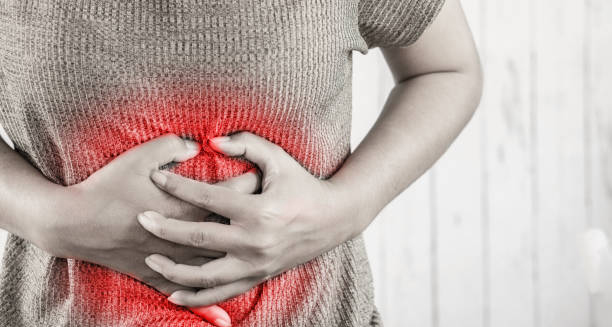
Abdominal cramps or sharp stomach pain
Diarrhoea, which may be watery or bloody
Fever and chills
Loss of appetite
Weakness and fatigue
These symptoms typically last between 24 and 72 hours, but certain types of food poisoning, such as those caused by parasites, may persist for longer.
Dehydration
One of the most concerning consequences of food poisoning is dehydration, especially in children and elderly individuals:
Dry mouth or tongue
Dark urine or reduced urination
Dizziness, headache, or confusion
In babies, fewer wet nappies and sunken fontanelles
Dehydration can become severe if fluid loss through vomiting and diarrhoea is not managed.
Severe Symptoms Requiring Medical Attention
High fever (above 38.5°C or 101.3°F)
Persistent vomiting, preventing fluid intake
Bloody stools or vomit
Signs of neurological symptoms, such as blurred vision, muscle weakness, or confusion
Symptoms lasting more than three days
In such cases, prompt medical care is essential, particularly if the patient is very young, elderly, pregnant, or immunocompromised.
Incubation Periods by Organism
| Pathogen | Onset Time After Exposure |
| Staphylococcus aureus | 1–6 hours |
| Salmonella | 6–72 hours |
| Norovirus | 12–48 hours |
| E. coli | 1–10 days |
| Listeria | 1–4 weeks |
These variations help healthcare providers determine the likely cause of the illness.
Symptoms of Food Poisoning
Recognising the symptoms of food poisoning early helps reduce discomfort, prevent dehydration, and determine when to seek medical help.
[Next: Diagnosis of Food Poisoning→]