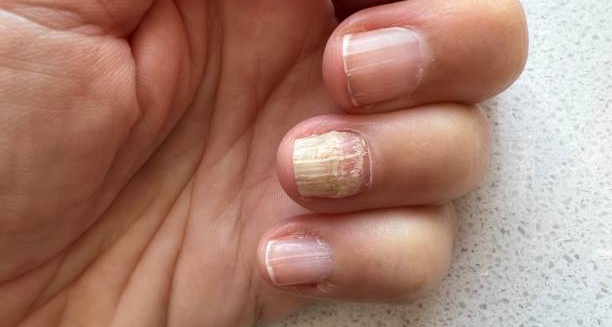

Symptoms of Fungal Nail Infection
The symptoms of fungal nail infection vary depending on the type and severity of the infection. Fungal nail infection usually affects one or more toenails, though fingernails can also be involved. Early signs are often subtle, but the condition can worsen if left untreated.
Common Symptoms
Discolouration – yellow, white, brown, or greenish tinge, often starting at the tip of the nail
Thickened nails – often the first noticeable change
Brittle, crumbly, or ragged edges
Distorted shape – nail may curve or lift from the nail bed (onycholysis)
Loss of shine or natural nail transparency
As the infection progresses, the nail may become darker, foul-smelling, and increasingly difficult to trim or clean.
Mild vs Severe Infection
Mild cases may only show discolouration or slight thickening
Moderate to severe infections can involve pain, visible distortion, and partial or complete nail separation
Severe infections often affect more than one nail and may interfere with walking or wearing shoes comfortably
Fingernail vs Toenail Symptoms
Fingernail infections are less common but more likely caused by Candida
They may appear:
Red and swollen at the base
With separation from the nail bed
Tender when pressure is applied
Toenail infections progress slowly but are more likely to thicken, discolour, and break
Associated Skin Conditions
Itching, scaling, or cracking between the toes may indicate athlete’s foot, which often coexists with nail infections
The skin surrounding the nail may become red, irritated, or inflamed
When to Seek Medical Advice
If the nail changes in colour, texture, or thickness
When pain, odour, or swelling occurs
If multiple nails are affected
Symptoms of Fungal Nail Infection
For individuals with diabetes or compromised circulation, any sign of foot or nail infection should be addressed immediately
Recognising the symptoms of fungal nail infection early allows for prompt treatment and can prevent long-term nail damage and spread to others.