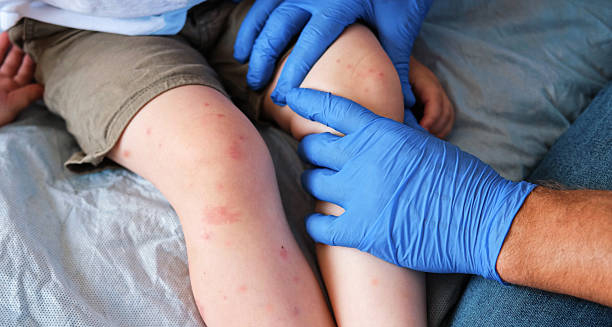

Symptoms of German Measles
The symptoms of German measles can vary significantly depending on age, immune status, and whether the person has previously been vaccinated. In many cases, especially in children, German measles—also known as rubella—presents with mild or even unnoticed symptoms. However, in adults, and particularly in pregnant women, symptoms can be more pronounced and carry serious consequences for the unborn child.
Understanding the signs of rubella is critical for timely diagnosis, infection control, and—most importantly—prevention of transmission to those at risk. While often mistaken for other viral infections, rubella has distinct features that help differentiate it from illnesses such as measles, scarlet fever, or mild respiratory infections.
Early Signs and General Onset
The incubation period for rubella typically ranges from 14 to 21 days after exposure. During this time, the virus replicates in the respiratory tract and lymph nodes before entering the bloodstream. Individuals may begin to feel slightly unwell in the days leading up to visible symptoms.
Common early symptoms include:
Low-grade fever (usually under 38.5°C)
Mild headache
Sore throat
Malaise or general fatigue
Loss of appetite
Red, irritated eyes (mild conjunctivitis)
These early signs are non-specific and easily confused with other minor viral illnesses. However, they typically precede the hallmark rash by one or two days.
The Rubella Rash
One of the most identifiable symptoms of German measles is its characteristic rash, which usually appears first on the face, particularly around the hairline and behind the ears, before spreading downward to the trunk, arms, and legs.
Key features of the rash include:
Pink to red spots, often small and slightly raised
Spreading in a downward pattern from the head
Non-itchy or only mildly itchy in most cases
Lasting approximately three days
This is why rubella is sometimes referred to as “three-day measles.” The rash typically fades in the order it appeared and may disappear without any peeling or scabbing.
Lymph Node Swelling
A distinguishing symptom of German measles is lymphadenopathy, or swelling of the lymph nodes. This tends to affect:
The back of the neck (posterior cervical nodes)
Behind the ears (postauricular nodes)
Under the jaw or in the armpits in some cases
These swollen glands are often tender to the touch and may remain enlarged for several days after the rash resolves.
Joint Pain and Arthritis
In adolescents and adults, especially women, rubella may cause joint pain, swelling, and stiffness. This condition most often affects:
Fingers and wrists
Knees and ankles
The joint symptoms can mimic mild arthritis and may last a week or more, even after the rash subsides. In some individuals, joint pain may be the only noticeable symptom of infection.
Respiratory and Eye Involvement
Other symptoms that may accompany rubella include:
Mild cough
Nasal congestion or runny nose
Sore red eyes, which may be mistaken for conjunctivitis
Photophobia, or light sensitivity, in more pronounced cases
These upper respiratory symptoms are generally mild and self-limiting, resolving within a few days without treatment.
Asymptomatic Infections
It is estimated that up to 50% of people infected with the rubella virus may show no obvious symptoms at all, particularly in children. Despite the absence of symptoms, they can still spread the virus to others during the infectious period.
This high rate of asymptomatic infection is one of the main reasons rubella can silently circulate within communities, making vaccination critical in controlling outbreaks.
Duration and Recovery
The typical rubella illness lasts around three to seven days, with the rash and fever usually resolving within that time frame. Fatigue or joint discomfort may linger slightly longer.
Full recovery is expected in the vast majority of healthy individuals. There are rarely any lasting effects once the virus has run its course, provided the person is not pregnant or immunocompromised.
Rubella in Adults
Adults often experience a more pronounced illness than children. Symptoms such as:
More noticeable joint involvement
Greater fatigue
Stronger immune responses, including swollen lymph nodes and fever
Though still classified as a mild illness in most adults, the discomfort can be greater, and work or daily activities may be interrupted.
Rubella in Pregnancy
The most serious consequences of German measles occur when it infects a pregnant woman, particularly during the first trimester. Symptoms in the mother may be mild or even unnoticed, but the virus can cause:
Miscarriage
Stillbirth
Congenital Rubella Syndrome (CRS) in the baby
CRS can include a range of devastating outcomes, such as deafness, cataracts, heart defects, growth retardation, and intellectual disability. This is why rubella infection during pregnancy is considered a medical emergency, even if the symptoms seem trivial.
Summary of Key Symptoms
| Symptom | Frequency |
| Facial/trunk rash | Very common |
| Swollen lymph nodes | Common |
| Low fever | Common |
| Sore throat | Occasional |
| Joint pain (adults) | Fairly common |
| Eye redness | Mild and occasional |
| Headache/fatigue | Common |
| Cough or runny nose | Occasional |
Symptoms of German Measles
Recognising the symptoms of German measles allows for early intervention, helps reduce spread, and ensures that vulnerable individuals—particularly pregnant women—are protected.