Symptoms of Head Lice
The symptoms of head lice vary depending on the level of infestation, individual sensitivity, and duration of exposure. While some people experience intense discomfort, others may remain asymptomatic for days or even weeks, allowing lice to spread unknowingly. Recognising the symptoms of head lice early is key to initiating treatment and preventing further transmission.
The most common symptom is persistent itching of the scalp. This itchiness results from an allergic reaction to the saliva lice release when feeding on blood. In individuals who are highly sensitive, even a few lice can cause intense irritation. For others, itching may be minimal or delayed, making infestations more difficult to detect without visual inspection.
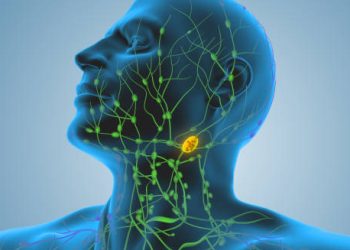
Scratching due to itchiness can lead to additional complications. Broken skin may become red, sore, or crusty, creating entry points for secondary bacterial infections. In some cases, swollen lymph nodes in the neck or behind the ears may occur as a result of infection. Children may complain of a tickling sensation or feeling of movement in the hair.
Symptoms of Head Lice
Small red bumps or bite marks on the scalp, neck, or shoulders can also signal an active infestation. These lesions are usually the result of repeated feeding and scratching. In more advanced cases, especially those left untreated, the scalp may become inflamed or exhibit signs of dermatitis.
Another noticeable sign is the presence of nits. These tiny, oval eggs are glued to individual strands of hair and are most often found close to the scalp, particularly behind the ears and near the neckline. Unlike dandruff, which can be easily dislodged, nits are firmly attached and require manual removal. Finding viable nits indicates that lice are active and reproducing.
Behavioural symptoms in children may also indicate an infestation. Increased irritability, difficulty sleeping, and restlessness are common, especially as lice are more active at night. Some children may show avoidance of hair brushing or display signs of distress during grooming routines.
Symptoms of Head Lice
Social and emotional impacts are frequently reported, particularly in school settings where stigma and embarrassment can lead to isolation or bullying. Addressing these concerns with sensitivity and education is essential to ensuring children receive the care and support they need.
In summary, the symptoms of head lice are primarily dermatological and behavioural. Awareness of these symptoms, combined with regular head checks and open communication, is vital for timely intervention and effective management of infestations.
[Next: Treatment of Head Lice →]