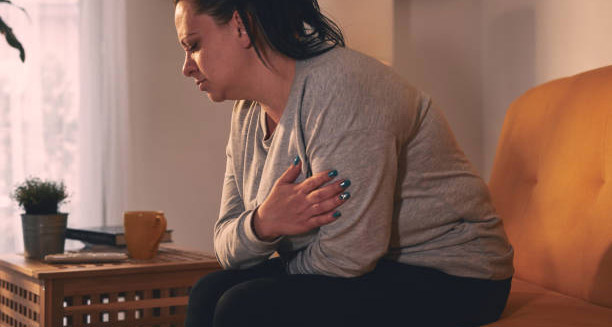

Symptoms of Heavy Periods
The symptoms of heavy periods go beyond simply losing a large volume of blood. They encompass a range of physical, emotional, and functional challenges that can significantly affect quality of life. While some individuals may not immediately realise their menstrual flow is unusually heavy. Especially if it has been that way for years—recognising the symptoms of heavy periods is critical to seeking appropriate care and avoiding complications such as anaemia, fatigue, and missed daily activities.
One of the most prominent symptoms is needing to change sanitary protection more frequently than every one to two hours. In contrast to the average person, who might use three to five sanitary pads or tampons per day. Someone with heavy periods may go through twice as many—or more. Soaking through sanitary products, double protection (using a pad and tampon together). Or having to change pads during the night are red flags that suggest excessive bleeding. Waking up with stained bedding, or avoiding sleep due to the fear of leaking. This can lead to emotional strain and sleep deprivation.
Another classic symptom is passing large blood clots. Often described as being larger than a 50p coin (roughly 2.5 cm in diameter). These clots occur when the uterine lining sheds quickly and heavily. Giving blood less time to mix with the anticoagulants the body produces. The presence of frequent or large clots may suggest that the uterus is shedding an unusually thick lining or that bleeding is so rapid the body cannot keep up with clot breakdown.
Bleeding for longer than seven days is another common indicator. A normal period typically lasts between three and seven days; however, with heavy periods, bleeding may persist well beyond that. Extended bleeding not only increases the risk of anaemia but also affects work, school attendance, and personal plans. Some people avoid travel, social gatherings, or physical activity entirely during menstruation, fearing accidents or embarrassment.
Symptoms of Heavy Periods
Anaemia-related symptoms are often secondary to chronic heavy periods. As iron stores become depleted, individuals may experience fatigue, weakness, shortness of breath, dizziness, and even heart palpitations. These symptoms may be subtle at first but can gradually intensify over time. Particularly if the blood loss is left untreated. Anaemia can also affect cognitive function, leading to difficulty concentrating, memory lapses, or headaches—further impacting daily productivity and wellbeing.
In adolescents, the symptoms of heavy periods may go unrecognised initially, especially if menstrual education has been limited. A young person might assume their experience is normal and may not feel comfortable discussing it. However, if they are missing school, experiencing frequent absences. Or needing to change protection every hour, it’s worth exploring the possibility of menorrhagia. In this age group, bleeding disorders like von Willebrand disease are an important consideration.
Pelvic pain and cramping may also accompany heavy periods, especially in cases linked to structural abnormalities like fibroids, endometriosis, or adenomyosis. The uterus contracts more forcefully to shed the thicker lining, which can result in severe cramping that does not respond well to typical pain relief. Some individuals also report lower back pain, bloating, or a general feeling of pelvic heaviness during their cycle.
Heavy menstrual bleeding may also cause or be linked to spotting—light bleeding or brown discharge between periods. This spotting might happen because of hormone imbalance or growths called polyps. However, it can also warn of a more serious women’s health problem, so a healthcare professional should check it. Also, spotting can hide how much blood is really lost, because it makes the whole bleeding time longer and can confuse what counts as ‘normal’.
Symptoms of Heavy Periods
Disruptions to daily life are another critical symptom that clinicians look for when diagnosing heavy periods. Individuals may find themselves avoiding exercise, social outings, or intimacy due to fear of bleeding or embarrassment. They might bring spare clothing wherever they go or feel anxious about attending long meetings or classes without easy bathroom access. Some people plan their entire month around their period, anticipating that at least a week will be unmanageable. This emotional burden can lead to social withdrawal, low self-esteem, and even depression or anxiety.
Skin pallor, brittle nails, and hair thinning are also signs of long-term iron deficiency from heavy periods. In more serious cases, people may feel faint or struggle to stand for long periods. Often, these symptoms get ignored or blamed on stress, lifestyle, or diet. However, if they happen regularly or get worse during menstruation, they should lead to a check for heavy bleeding.
Women approaching perimenopause often experience symptoms of heavy periods as hormonal fluctuations become more pronounced. They may notice periods that were once regular become longer, heavier, or more painful. While this can be a natural part of the transition to menopause, it’s still important to rule out conditions like polyps or endometrial hyperplasia, which may mimic hormonal bleeding patterns but require treatment.
Another sign to watch for is the development of frequent urinary or bowel pressure during menstruation, especially if combined with heavy bleeding. This can suggest the presence of large uterine fibroids or adenomyosis. Some individuals also experience pain during intercourse, which may not be directly caused by heavy bleeding but can indicate an underlying condition contributing to the symptom.
It is also important to acknowledge that some individuals may underreport symptoms out of embarrassment or cultural stigma. In such cases, clinicians often rely on indirect clues—such as unexplained fatigue, avoidance behaviours, or reports of needing to carry extra clothing—to identify patterns consistent with heavy menstrual loss.
Symptoms of Heavy Periods
In summary, the symptoms of heavy periods include excessive bleeding requiring frequent sanitary changes, prolonged menstruation, large blood clots, fatigue, anaemia-related symptoms, pelvic pain, and disruptions to daily life. These symptoms may start gradually or appear suddenly, but in either case, they should not be ignored. Understanding the full spectrum of symptoms is essential for timely diagnosis and intervention, helping individuals restore quality of life and prevent complications such as iron deficiency anaemia.