
Symptoms of Hepatitis A
The symptoms of hepatitis A usually show up two to six weeks after catching the virus. The illness starts slowly. At first, it can look like the common flu or a stomach bug. Some people feel very sick, while others barely notice it. Adults often feel worse than children. Many young children, especially under six, show few or no symptoms. Yet, they can still pass the virus to others.
Older children and adults tend to feel much sicker. Their symptoms last longer, often several weeks. Some people even feel tired for months after the illness ends.
Early Symptoms of Hepatitis A
The first stage of hepatitis A is called the “early phase” or prodromal phase. This stage happens before the typical liver symptoms appear. People may notice:
- Tiredness: Feeling worn out all the time. It often gets worse and makes daily life hard.
- Fever: Usually a low fever, but it can get higher in some people.
- Nausea and Vomiting: Feeling sick or throwing up, often with little desire to eat.
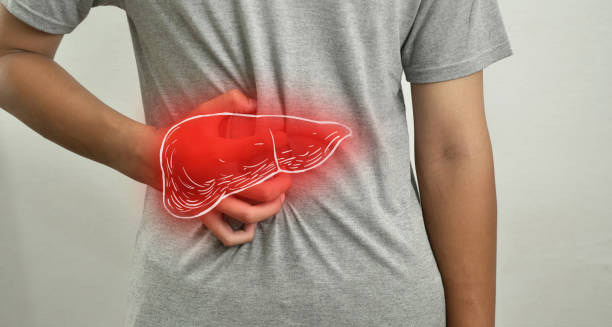
- Belly pain: Mostly in the top-right side where the liver is.
- Muscle and joint pain: Achy body feelings like the flu.
- Headache: A dull headache that stays for several days.
Common Liver Symptoms of Hepatitis A
After a few days, the illness moves into the second stage, called the icteric phase. This is when liver problems become more obvious.
Liver-Related Symptoms
During this stage, people usually see:
- Yellow skin and eyes (jaundice): The skin and eyes turn yellow. This happens because the liver cannot clear a substance called bilirubin.
- Dark pee: Urine turns dark yellow or brown, like tea.
- Light-coloured stools: Bowel movements may look pale or clay-coloured.
- Itchy skin: Some people feel very itchy. This happens because of extra bile in the skin.
These symptoms can come and go. Some people feel better and then worse again. This on-and-off pattern may last several weeks or months. The good news is that hepatitis A never becomes a long-term illness, and most people recover fully.
Other Common Problems
Many people lose their appetite. They also may feel sick when eating meat or fatty foods. Nausea can cause weight loss because eating becomes hard. Some children get diarrhoea, especially younger ones. They might only have diarrhoea without yellow skin, so doctors sometimes confuse hepatitis A with a stomach bug in kids.
How Symptoms Change with Age
Children Often Feel Less Sick
Children under six years old often have no symptoms or just a mild fever. About 70% of young kids do not get yellow skin. Even when they seem fine, they can still spread the virus for weeks in their stool. This is why hepatitis A spreads quickly in schools or daycare centres.
Adults Usually Feel Worse
Adults often have worse symptoms. Many of them get jaundice and feel extremely tired. They may miss weeks of work or school. Older adults or people with weak livers are more likely to feel very sick. In rare cases, hepatitis A can cause serious liver failure, called fulminant hepatitis.
Serious Warning Signs
If you notice these signs, get medical help fast:
- Yellow skin suddenly getting worse
- Feeling confused or very sleepy
- Easy bruising or bleeding
- Belly swelling
- Fainting or very low blood pressure
These signs mean the liver is in trouble and needs urgent care.
How Long Symptoms Last
Recovery Time
Most people feel better in two to four weeks. But some people, especially older adults, stay tired for months. Almost everyone gets better without liver damage. Over 99% of healthy people recover fully.
Rare Relapses
A few people get sick again after feeling better. This is called a relapse. They feel tired, sick, and sometimes yellow again. These relapses are usually milder and shorter than the first illness.
Importance of Proper Testing
Since hepatitis A looks like many other illnesses, proper testing is important. Blood tests can show if a person recently had hepatitis A by finding IgM antibodies.
Summary: Recognising Hepatitis A Symptoms
In short, hepatitis A causes different symptoms in different people. Children usually have few symptoms. Adults often feel more tired, sick, and develop yellow skin. Most people recover completely with rest and fluids. Early diagnosis helps people heal faster and prevents the virus from spreading to others